Israelis vote in record numbers in first national election since the Oct 7 Hamas massacre
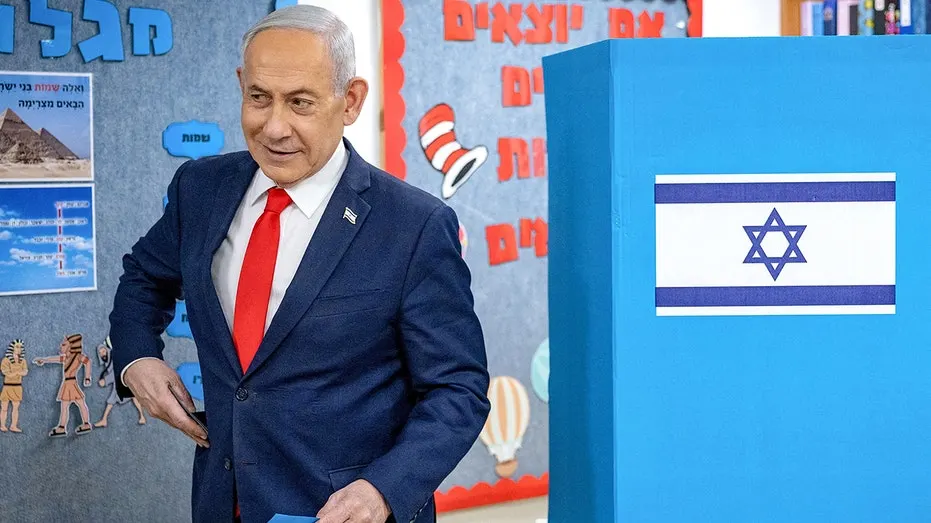
Israelis voted in their first national election since the Hamas attack of 7 October 2023, with turnout reaching levels not seen in decades. Exit polls put Benjamin Netanyahu’s Likud ahead, but projected seat totals left his governing bloc short of a majority, raising the possibility that he could lose power.
The initial projections gave Likud 25 seats and Gadi Eisenkot’s Yashar party 21 to 23 in the 120-seat Knesset. They showed Netanyahu’s right-wing and religious bloc with 50 seats, opposition parties with 53 and Arab parties with 17; no bloc reached the 61 seats usually needed to form a government. Turnout had reached 55.7% by 4 p.m., the highest recorded at that time since tracking began in 1973. The projections were preliminary, with coalition talks expected to follow as votes are counted.
In short
- Likud led exit polls but Netanyahu’s bloc fell short of a majority.
- Turnout reached 55.7% by 4 p.m., a record for that point in the day.
- Coalition negotiations could determine whether Netanyahu remains in power.
Steelman: both sides, in good faith
The strongest fair case each way — we don't pick a winner.
The case for
A strong turnout can be seen as a renewed public mandate after the 7 October attack, giving elected leaders legitimacy to make difficult decisions on security, the hostages and the country’s future. Likud’s lead in the exit polls also gives Netanyahu’s supporters reason to argue that his party remains a significant choice for voters, even if coalition negotiations will determine whether it can govern.
The case against
The projections suggest that a Likud lead may not translate into support for Netanyahu’s governing bloc, which fell short of a majority, so opponents can argue that voters have not endorsed his return to power. After the failures and consequences associated with the attack, they may see the result as an opportunity for political change and a government with a different approach to security and national leadership.
Explained simply
Israel is a parliamentary democracy: voters elect members of the Knesset, Israel’s 120-seat parliament, and parties then negotiate to form a government. A government needs the support of at least 61 members, often through an agreement between several parties.
Benjamin Netanyahu leads Likud and has been a central figure in Israeli politics for many years. Gadi Eisenkot, a former military chief, leads Yashar; other parties include right-wing, religious, opposition and Arab parties, which represent a range of political views.
The Hamas-led attack on 7 October 2023 and the war that followed have shaped Israel’s politics and public debate. The election matters because the balance of seats will determine which parties can form a government and who leads the country.
Elections Middle East Politics World