New releases, music videos and album news — indie, rap, rock and pop. Always covering Ren, Chris Webby, Sam Tompkins, bbno$, CHINCHILLA, Muse, Yungblud and more.
“It could have been a huge record, but they buried it… It was his time but the boat just sailed away”: Despite his label’s disinterest, Roy Harper’s Stormcock refused to die
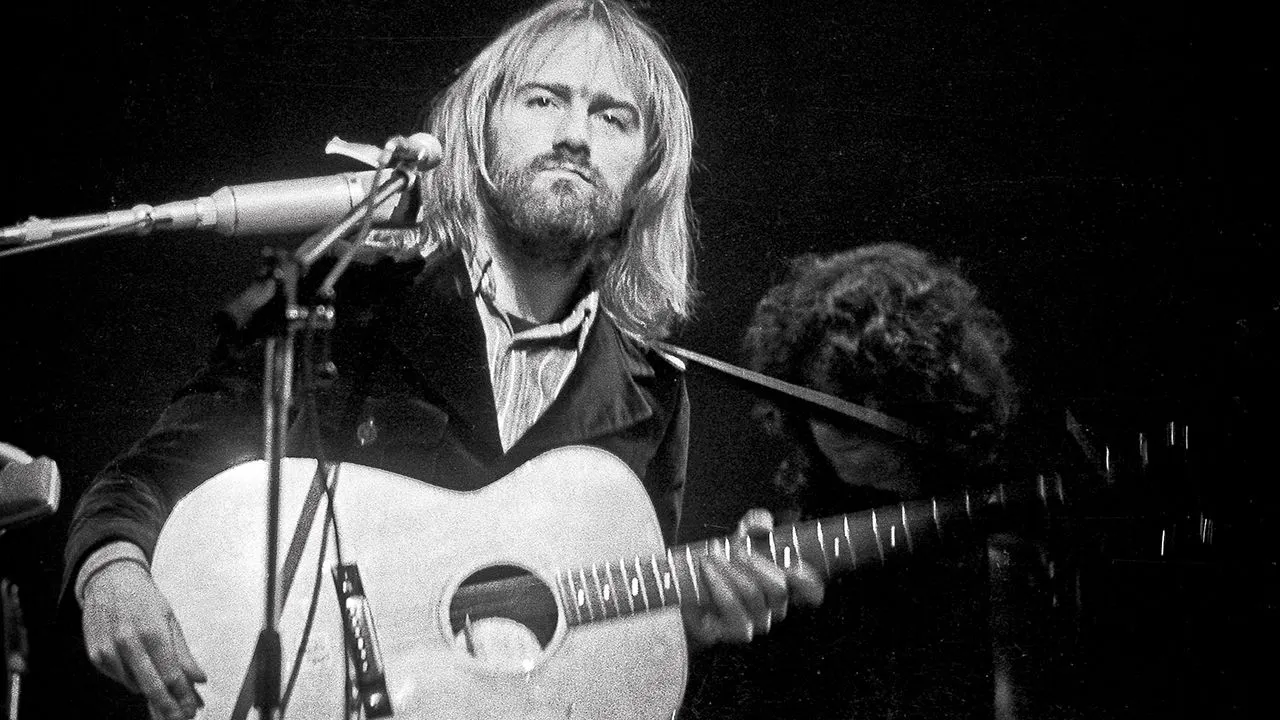
Roy Harper's 1971 album Stormcock was a bold four-track concept record that his label largely ignored on release, yet the album has endured and grown in stature over the decades. Prog magazine revisited its origins in 2011, exploring how the singer-songwriter, shaped by a turbulent early life including homelessness, imprisonment and time in a mental institution, produced a work that broke sharply from folk convention despite receiving little commercial backing at the time.
Harper emerged from London's 1960s folk scene but never fitted neatly into it, using his music to challenge authority and champion individual freedom rather than follow the era's more conventional protest themes. Stormcock, with its ambitious, poetry-infused compositions, was seen by some as a career-defining record, but a lack of label support meant it failed to achieve the recognition many felt it deserved at the time, even as its reputation has since grown among fans and critics.
In short
- Roy Harper's 1971 album Stormcock was overlooked by his record label
- The four-track concept album broke from traditional folk conventions
- Despite poor initial support, the record's reputation has endured
Explained simply
Roy Harper was an English singer-songwriter who came up through London’s folk scene in the 1960s. His songs often questioned authority and stressed individual freedom, and he did not fit easily into the era’s more conventional folk styles.
Stormcock, released in 1971, is made up of four long, poetry-infused songs. It marked a bold departure from folk conventions and showed Harper’s interest in ambitious, connected musical ideas.
Harper’s record label gave the album little backing, limiting the attention it received at the time. Its later reputation has made it an example of how a record can find an audience and influence listeners well beyond its release.