‘It is British life’: No 10 enters ‘vertical drinking’ row
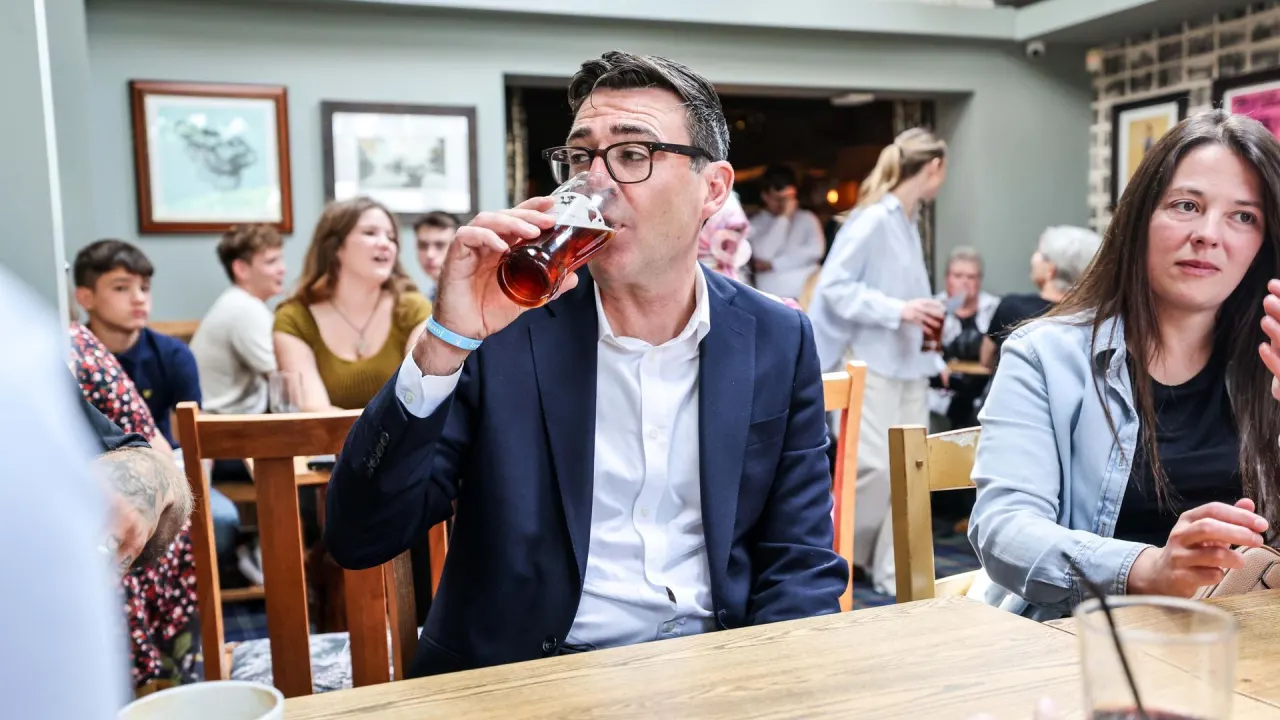
Downing Street has urged Westminster City Council to work with London pubs after proposals appeared to discourage “vertical drinking” — customers standing while drinking — in parts of the West End. The row matters because ministers and the hospitality sector argue that standing at the bar is a longstanding part of pub culture and that tighter restrictions could harm already pressured venues.
The council’s draft licensing approach would encourage more seating and table service, rather than open bar areas used for high-volume standing drinking, as part of efforts to reduce excessive drunkenness and minimise disruption to residents. Westminster said there was no plan to ban standing in pubs, while No 10 said it wanted to protect the character of British pubs and support the sector.
- No 10 challenges proposed limits on standing in Westminster pubs.
- Council says it is not proposing a ban.
- Debate centres on pub culture and local disruption.
Both sides, in good faith
The strongest fair case each way — we don't pick a winner.
The case for
The council's approach reflects genuine community concerns about high-volume standing bars that actively encourage rapid alcohol consumption in crowded residential areas. Encouraging more seating and table service isn't about banning standing or killing pub culture; it's a measured licensing tool designed to reduce documented harms like excessive intoxication, anti-social behaviour, and disruption to residents. These are sensible conditions that can protect both community wellbeing and pub viability by promoting more sustainable, sociable drinking practices.
The case against
Vertical drinking is an established and cherished part of British pub identity—informality, spontaneity, and the ability to pop in for a quick drink are core to what makes pubs culturally and economically important. Hospitality venues are already under severe financial pressure, and encouraging a shift toward table-service models increases overheads and reduces capacity without clear evidence it reduces genuine harms. This kind of licensing guidance, however well-intentioned, risks micromanaging how pubs operate and eroding the character that makes them valued social institutions in the first place.