World news and discussion on TalkFuse.
It is NOT racist to evict ‘non-Western’ families from social housing, Denmark’s supreme court in huge victory for MPs looking to rid the country of ghettos
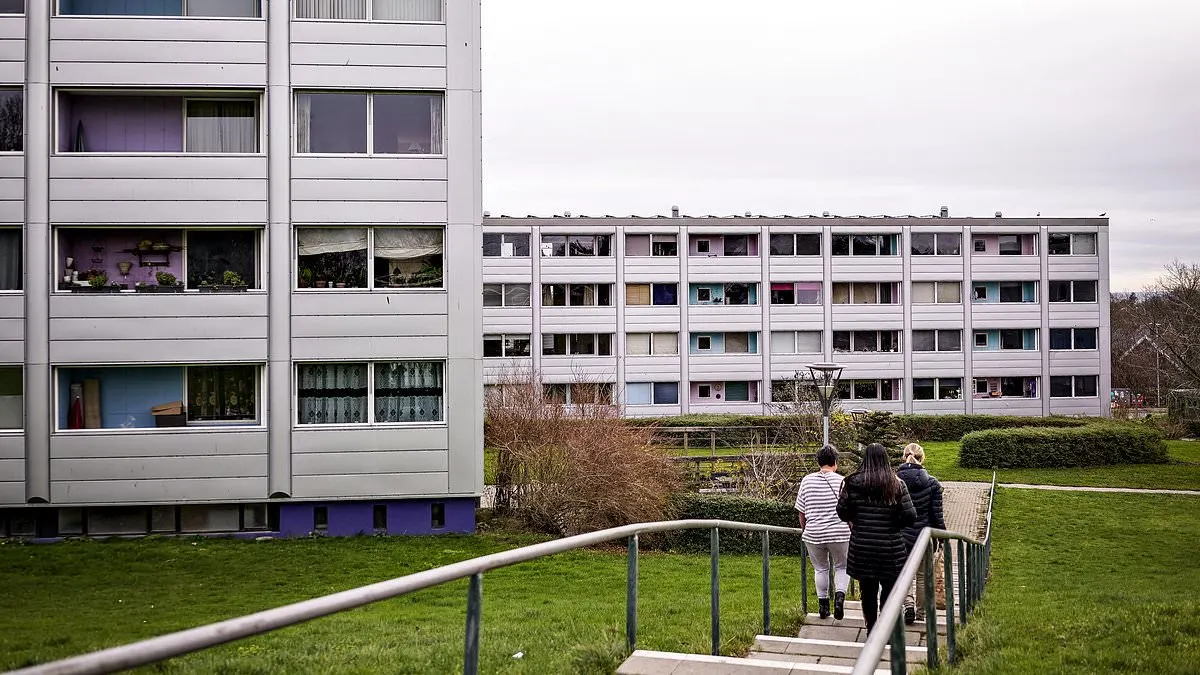
Denmark’s Supreme Court has ruled that a social housing landlord did not discriminate against seven families by ending their tenancies under a law that uses residents’ origins as one criterion. The decision supports the government’s policy to reduce segregation in disadvantaged neighbourhoods, but leaves in place a scheme that tenants’ groups say will displace thousands.
The families in Helsingør, north of Copenhagen, lost their leases in 2022 after the landlord planned renovations to 96 flats across seven stairwells. Under the 2018 law, estates where more than half of residents are classed as “non-Western” must change their social mix, including by letting at least 60 per cent of homes at market rates by 2030. The court said the category covered people of many ethnic backgrounds and therefore counted as a neutral criterion; tenants’ associations estimate about 11,000 people will need to move by 2030.
In short
- Denmark’s top court upheld a housing landlord’s decision to end seven families’ tenancies.
- The law requires affected estates to change their housing mix by 2030.
- Tenants’ groups estimate 11,000 people will have to move.
Steelman: both sides, in good faith
The strongest fair case each way — we don't pick a winner.
The case for
Supporters can argue that Denmark has a legitimate aim in reducing concentrated disadvantage and social segregation, and that changing the mix of housing can help create neighbourhoods with broader opportunities and stronger links to the wider community. They may view the origin category as one indicator among several for identifying estates that need intervention, while stressing that the policy applies to areas rather than judging individual families.
The case against
Critics can argue that making housing decisions partly depend on residents’ origins imposes a disproportionate burden on families who may have done nothing wrong, and risks treating people as instruments of social policy. Even if the category covers many backgrounds and is framed as neutral, its use can still have unequal effects and weaken tenants’ security, particularly when thousands may be displaced.
Explained simply
Denmark’s social housing system provides homes for rent at below-market rates through housing associations. In 2018, the government introduced rules for some disadvantaged estates, aiming to reduce residential segregation. The rules count residents’ origins alongside factors such as employment and education.
The law labels people from certain countries and their descendants as “non-Western”, a category that spans many backgrounds. Estates where they make up more than half the population must alter their housing mix, including by moving some homes to market-rate rents by 2030. Housing associations apply the rules, which can lead to tenants being asked to leave.
The policy has prompted legal challenges and concern among tenants’ groups about how many people may have to move. The dispute centres on whether using the “non-Western” category in housing decisions amounts to discrimination, and on how Denmark should address segregation while protecting residents’ rights.