“It killed the buzz”: When Amy Winehouse’s wry wit landed her in hot water in 2004
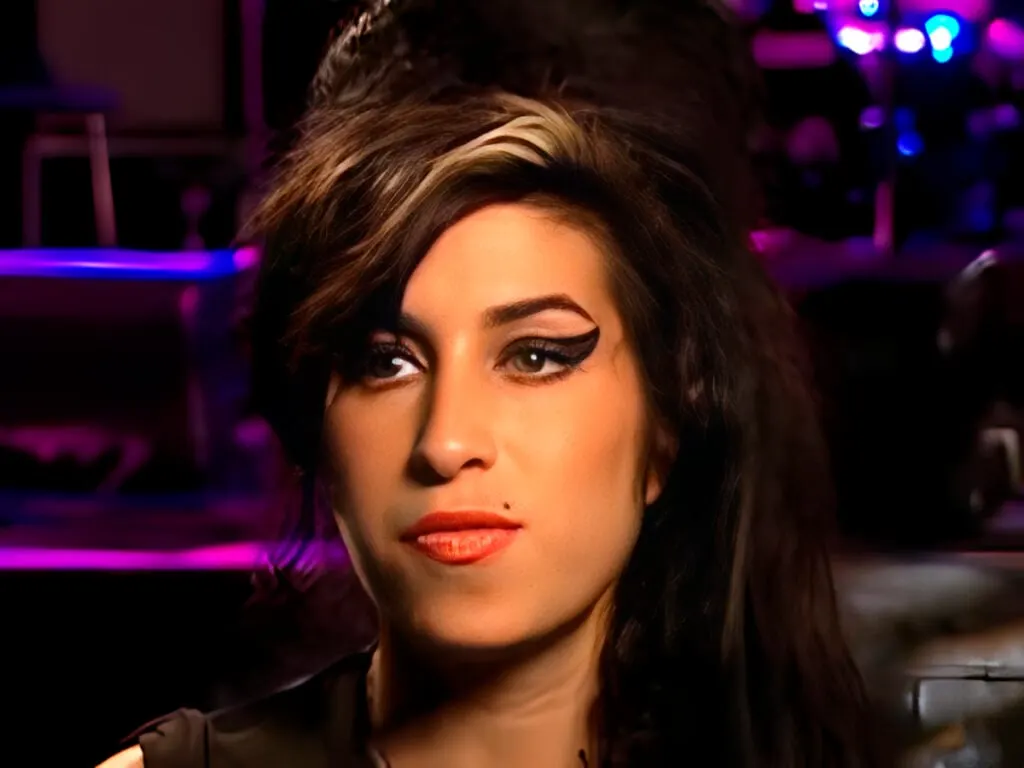
Amy Winehouse gave a brutally honest interview to The Guardian in 2004 about her debut album "Frank," criticising her record label Island Records and the album's performance. Her candid remarks, where she called the label staff "idiots" and described the marketing as "fucked" and "terrible," damaged her professional relationships and caused significant tension within the industry.
Despite critical and commercial success—with "Frank" reaching 13 on the UK Albums Chart and earning Winehouse Mercury Prize shortlisting and an Ivor Novello Award—she was only "80% behind" the work and had never listened to the full album due to disagreements with the label over song selection and mixes. Her manager recalled the interview "killed the buzz," with people claiming they'd never work with her again, but Winehouse's unapologetic honesty and wry humour were defining characteristics of both her personality and artistry.
- Amy Winehouse criticised her record label staff as "idiots" in a 2004 Guardian interview
- Despite critical success, she was deeply unhappy with the album's direction and marketing
- Her candid remarks damaged industry relationships but reflected her defining wit and integrity
New here? Start with this
Amy Winehouse was a British singer who released her debut album "Frank" in 2004. In an interview with The Guardian that year, she offered candid criticism of how the record had been made and promoted by her label Island Records.
Winehouse spoke in blunt terms about the label and its staff, calling them "idiots" and describing the marketing as "terrible." These remarks caused significant professional damage, with her manager later recalling that the interview had "killed the buzz" around the album.
Interestingly, despite Winehouse's own reservations about the final product, "Frank" had been well-received by critics and commercially successful. The interview exemplified the unapologetic honesty that was characteristic of Winehouse, even as it damaged her professional standing.
Both sides, in good faith
The strongest fair case each way — we don't pick a winner.
The case for
Winehouse was entitled to express genuine artistic disagreements about work to which she had contributed her talent. Her candid remarks reflected authentic concerns about the album's direction, and her characteristic wry honesty—whilst unconventional—demonstrated respect for the truth rather than false diplomacy. The fact that "Frank" ultimately succeeded critically and commercially suggests her reservations were artistically defensible, and suppressing such honest opinions might compromise the very authenticity that defines meaningful artistic expression and connects audiences to artists.
The case against
Public criticism of one's record label in a major publication, particularly with derogatory language, was a consequential professional misjudgement that damaged relationships with people essential to her career. Whilst her disagreements were legitimate, professional environments require diplomacy; expressing concerns privately or in measured terms would have achieved artistic honesty without the industry fallout that followed. The real-world consequences—industry figures refusing to work with her—illustrate how such public remarks, however authentic, can undermine the collaborative relationships that sustain long-term artistic careers.