‘It leaves holes inside of you’: graphic novel aims to remember the history and horror of genocide
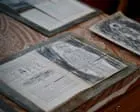
The artist and anthropologist Dana Mashoian Walrath has published The Book of Genocides, an experimental graphic history examining 10 episodes of mass killing and ethnic cleansing over the past five centuries, from the extermination of Indigenous peoples in the Americas to the persecution of the Rohingya. The book, which blends anthropology, memoir and interactive visual art, includes a chapter on Palestinians facing home demolitions and second-class status alongside its account of the Nazi Holocaust, a juxtaposition Walrath expects will see her banned from Israel.
Walrath, 66, is the Armenian-American granddaughter of genocide survivors, and only recently learned harrowing details of her grandmother's ordeal, including being enslaved and hiding while her father was killed. To research the book, she travelled to all 10 locations it covers, meeting survivors and descendants including those of Pol Pot's Cambodia, the 1994 Rwandan genocide and Rohingya refugee camps in Bangladesh, an experience that took a significant toll on her physical health.
In short
- Artist publishes graphic history covering 10 genocides across five centuries
- Book's Palestine chapter may see her banned from Israel
- Armenian-American author traced her own family's survival story
Explained simply
Genocide refers to the deliberate destruction of a national, ethnic, racial or religious group, in whole or in part. Mass killings and forced displacement have occurred in many places over centuries, including the Nazi Holocaust, the Cambodian genocide under Pol Pot and the 1994 genocide in Rwanda.
Dana Mashoian Walrath is an Armenian-American artist and anthropologist whose family history includes survivors of the Armenian genocide. Her book examines 10 episodes of mass killing and ethnic cleansing, drawing on visits to affected communities and conversations with survivors and their descendants.
The book also considers the experiences of Palestinians, including home demolitions and unequal status, alongside the Holocaust. Its approach raises questions about how to remember different histories of violence and how graphic art can convey their effects.
Americas Art Culture Europe Horror Middle East World