Video games news, releases, esports and culture — all the biggest gaming stories in one place.
It looks like we’re getting a Halo 2 remake next, but is that really a surprise?
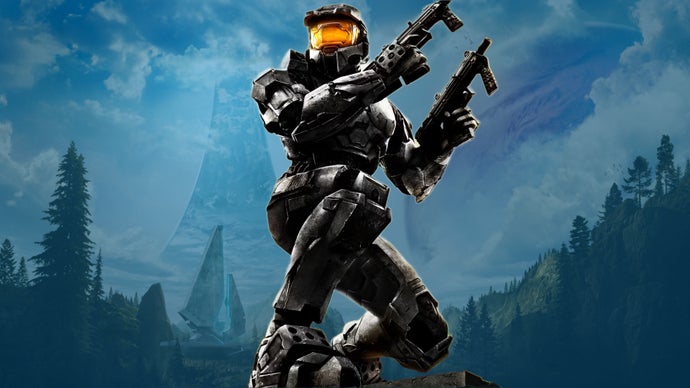
Halo Studios appears to be teasing a remake of Halo 2 through secret ending scenes in the forthcoming Halo: Campaign Evolved, although no sequel has been formally announced. The hints matter because they suggest the studio may be preparing to remake more of the original trilogy using its new Unreal Engine-based framework, potentially extending a major Xbox franchise.
Players who complete Campaign Evolved on Legendary difficulty see Sgt Johnson say, “See you in the sequel”, while a post-credits scene shows 343 Guilty Spark heading towards the planet central to Halo 2’s opening. The article argues that Halo 2 could be developed more quickly because assets such as SMGs, battle rifles, hijackable vehicles and Brutes have already been created, but notes uncertainty around Microsoft after it announced 3,200 job cuts across its gaming division.
In short
- Secret scenes strongly suggest a Halo 2 remake.
- Existing assets could speed up development.
- Microsoft’s gaming cuts cast doubt over studio stability.
Steelman: both sides, in good faith
The strongest fair case each way — we don't pick a winner.
The case for
Halo 2 is widely regarded as one of gaming's greatest sequels, with a multiplayer community that remains passionately engaged decades later. Remaking it with modern technology using the proven Unreal Engine framework, whilst leveraging assets already created for Campaign Evolved, represents an efficient and lower-risk path to deliver a beloved experience to both nostalgic veterans and new players. Given Microsoft's recent workforce reductions, focusing on a title with proven market appeal makes practical sense.
The case against
Rather than revisiting a 20-year-old game, Microsoft should direct its finite resources toward original experiences that genuinely advance the Halo franchise's creative future. The gaming industry has shown that remakes can cannibalise new projects and signal creative risk-aversion, especially when major job cuts suggest genuine resource constraints. Ultimately, players seek innovation; spending development effort on what already exists risks squandering the opportunity to create the next generation-defining Halo experience.
Explained simply
Halo is one of Xbox's most iconic franchises, with the original games released in the early 2000s establishing the console as a gaming destination. The series follows soldiers battling an alien threat across vast science fiction environments, and its success has been central to Xbox's identity for over two decades. Halo Studios, which develops the franchise today, has begun rebuilding the original games for modern platforms using contemporary game engines.
Video game remakes allow studios to give classic titles new life for contemporary systems and audiences, sustaining franchises for many years. The Halo games hold particular significance for Microsoft, which owns both the studio and Xbox, because their popularity directly influences console sales. When studios hint at upcoming remakes, it signals confidence in those franchises' cultural and commercial importance.
The broader context matters because Microsoft announced significant job cuts across its gaming division earlier this year, creating uncertainty about the company's strategic direction. If a Halo 2 remake is indeed in development, it would suggest that Microsoft remains committed to major projects despite organisational changes happening across the division.