It took roughly two years and “one of the most expensive art assets ever” to get Cyberpunk 2077: Phantom Liberty’s Chimera tank fight right
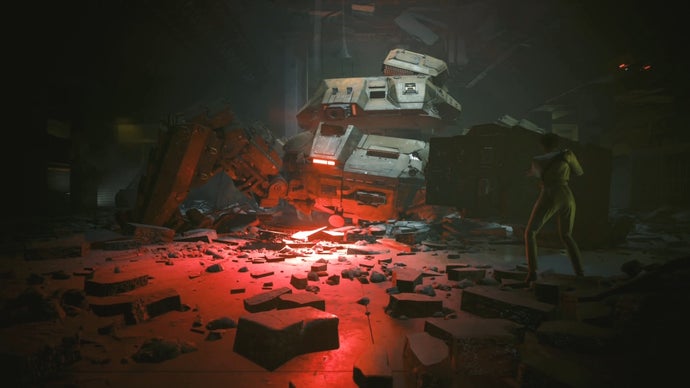
CD Projekt Red has revealed details about the development of the Chimera tank boss fight in Cyberpunk 2077: Phantom Liberty, discussing the considerable effort required to perfect this sequence. The development process highlighted the complexity of creating content that balanced multiple disciplines including gameplay, narrative, art, and worldbuilding.
The team spent approximately two years iterating on the boss fight, redesigning the tank approximately four times whilst changing its equipment and weapons. Creative director Igor Sarzyński described it as "one of the most expensive art assets" the studio has created, with the development team working to strike the right balance between gameplay intensity, narrative significance, and visual impact. The effort proved worthwhile, as the Chimera tank fight has been recognised as an exceptionally exciting moment within the DLC expansion.
- Cyberpunk 2077: Phantom Liberty's tank boss took two years to develop
- One of CD Projekt Red's most expensive art assets ever created
- Required careful balance between gameplay, narrative, and visual requirements
Both sides, in good faith
The strongest fair case each way — we don't pick a winner.
The case for
Investing substantial time to perfect crucial set pieces creates the memorable, polished moments that define players' experiences and drive emotional impact. The Chimera tank fight, being central to the DLC's narrative, warranted iterative refinement across gameplay, art, and storytelling to achieve genuine excellence. This approach to craftsmanship—treating significant encounters as standalone artistic statements—is how studios build games that are widely praised and remembered.
The case against
Whilst polish matters, allocating two years to a single boss encounter raises legitimate questions about resource allocation and opportunity cost. That investment could have expanded other content within the DLC, enhanced other systems, or addressed broader player needs. Diminishing returns in refinement almost certainly set in well before two years, suggesting a more balanced distribution of effort might have produced greater overall value for players and more efficient use of the studio's resources.