Giorgia Meloni seeks EU trademark protection for her voice
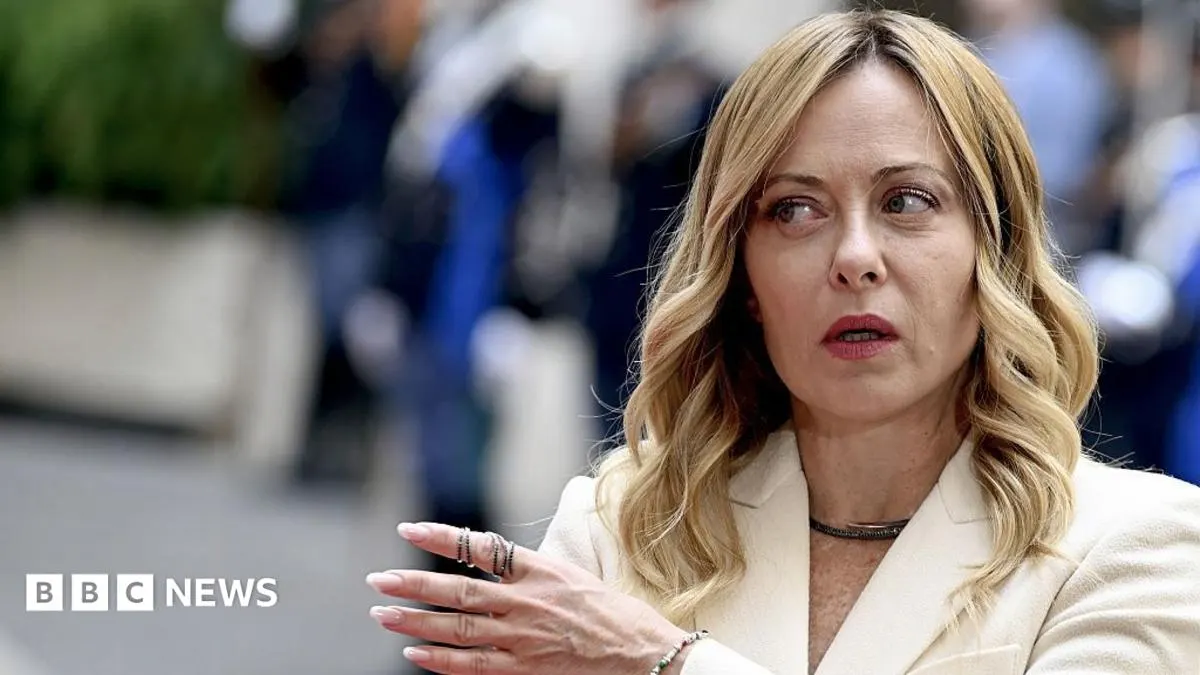
Italian Prime Minister Giorgia Meloni has filed a trademark application for her voice with the European Union Intellectual Property Office to protect herself against AI deepfakes. This decision reflects a broader movement among public figures seeking legal protection from unauthorised AI use, following similar applications by actor Matthew McConaughey and singer Taylor Swift. The move comes after Meloni herself has been targeted by deepfake content, including pornographic images circulating online, which prompted her to seek damages and highlight the dangers of the technology.
Meloni's application includes a four-second audio clip where she says "Io sono Giorgia" – a phrase from her 2021 autobiography that has become synonymous with her political campaigns. Voice cloning AI works by training on recordings of real people, with quick versions requiring only seconds of audio and high-quality versions needing hours of material. In August, over 80 British performers including Matt Lucas and Hugh Bonneville urged legislation giving UK citizens legal rights to their own voices, underscoring widespread concern about AI voice theft.
- Italian PM Meloni trademarks her voice to fight AI deepfakes
- Major celebrities including McConaughey and Swift have filed similar protections
- Over 80 UK performers are calling for new laws to protect voices from AI
New here? Start with this
Artificial intelligence can now clone people's voices from just seconds of audio, allowing bad actors to create deepfakes – convincing but fake recordings of real people saying things they never said. These deepfakes pose serious risks, from spreading misinformation to creating fraudulent audio for scams or harassment. Several public figures have already fallen victim to this technology, with non-consensual content circulating online.
Italian Prime Minister Giorgia Meloni has filed a trademark application for her voice with the European Union Intellectual Property Office, seeking legal protection against unauthorised AI cloning. She was herself targeted by deepfake content, including pornographic images, which prompted her to pursue legal action and draw attention to the dangers of the technology. Her trademark covers a four-second audio clip from her autobiography that has become associated with her political campaigns.
Meloni's move reflects growing concern among public figures about protecting their voices from AI misuse, with actor Matthew McConaughey and singer Taylor Swift having filed similar applications. Earlier this year, over 80 British performers urged legislation to give UK citizens legal rights to their own voices. The trademark approach represents one attempt to establish ownership of a voice before it can be illegally replicated.
Both sides, in good faith
The strongest fair case each way — we don't pick a winner.
The case for
The fundamental issue is consent and protection from harm. Meloni and others face genuine threats from AI-generated deepfakes—including non-consensual sexual content that damages reputation and dignity—yet voice cloning requires only seconds of audio, making impersonation trivially easy. A trademark application provides legal recourse against unauthorised use and establishes clear ownership of one's own voice, extending to voices in the age of AI the protection long recognised for images and likenesses.
The case against
Trademark law is fundamentally misaligned with this goal and could threaten free expression, as it protects commercial goods from confusion rather than personal characteristics from all unauthorised use. If voices become trademarked property, it risks restricting legitimate practices—parody, satire, journalism, political commentary—that face legal liability. Rather than stretching trademark's scope, specific deepfake legislation distinguishing harmful non-consensual uses from protected speech would better protect dignity whilst preserving democratic discourse.
Read the full article at the source →
Originally published by BBC Technology as “Italian PM files to trademark her voice against AI threats”.