World news and discussion on TalkFuse.
Italy waits to see if Gianni De Gennaro’s posthumous writings shed light on the secrets of the Mafia
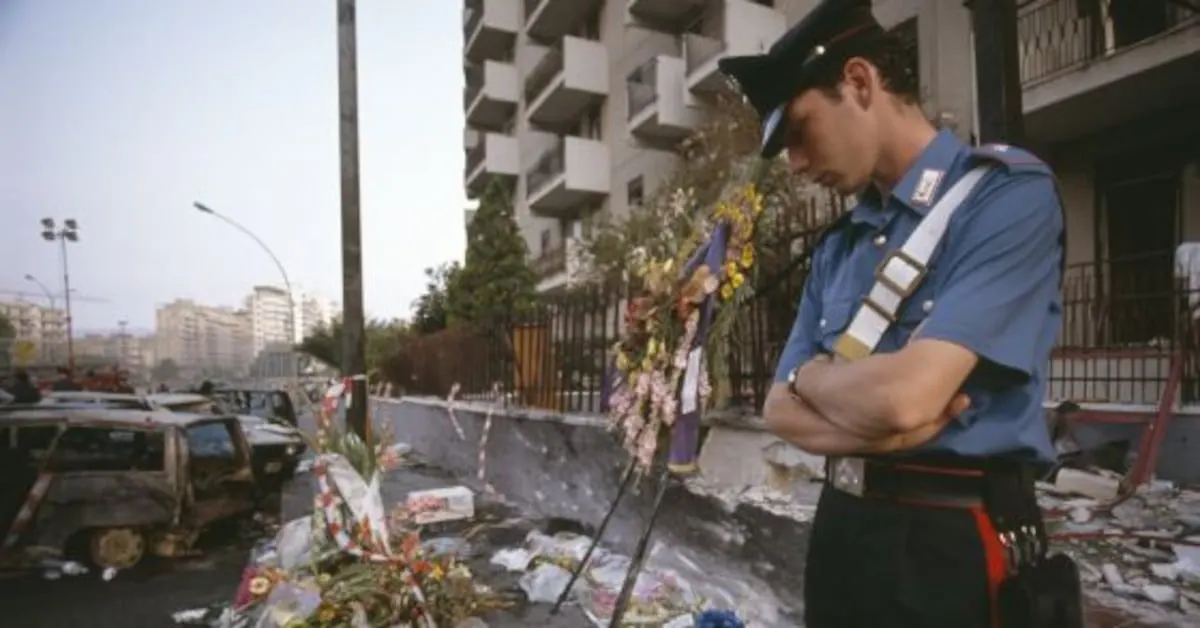
Former Italian police chief Gianni De Gennaro died by suicide at 78, just after prosecutors sought his arrest over an alleged plot to conceal the truth about the 1992 killing of Judge Paolo Borsellino. The judge rejected the arrest request, and De Gennaro’s death has renewed scrutiny of the Mafia’s war against the Italian state and the unresolved questions surrounding that period.
De Gennaro, a key figure in the fight against the Cosa Nostra, left four letters and a hard drive; Italian media say he maintained his innocence in his notes. Two letters were for investigators and the media, but the latter will be released only after investigators finish their work. The inquiry remains contentious, with competing accounts of the Borsellino assassination and disagreement over the evidence against De Gennaro.
In short
- De Gennaro died as prosecutors probed his alleged role in concealing the truth about Borsellino’s murder.
- He left four letters and a hard drive for investigators to examine.
- His writings may add context to a long-running, disputed inquiry.
Steelman: both sides, in good faith
The strongest fair case each way — we don't pick a winner.
The case for
The writings could offer investigators new evidence about the alleged effort to conceal the truth about Borsellino’s killing, and making the media letter public after inquiries conclude could help inform scrutiny of a case that remains unresolved. Given De Gennaro’s role in the fight against the Mafia and the serious allegations, examining his account may serve the public interest and the pursuit of truth.
The case against
De Gennaro’s notes may contain his own claims rather than independently verified evidence, so treating them as an explanation risks giving undue weight to a posthumous account that cannot be tested through questioning. With investigators still at work and the evidence disputed, withholding the media letter until their inquiries conclude may protect the process and avoid prejudicing public understanding.