It’s the beating heart of the West End, home to luxury boutiques and the Royal Opera House… but now workers forced to carry knives call Covent Garden the ‘Zombie Zone’ plagued by homelessness, drug-dealing and crime
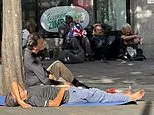
Workers in Covent Garden, one of London's most famous shopping and cultural districts, say they now feel compelled to carry knives for personal safety, describing the area as a "Zombie Zone" overrun by homelessness, open drug-dealing and crime. The area is home to upmarket boutiques and the Royal Opera House, and the reported decline highlights growing concerns about safety and street-level disorder in one of the West End's busiest tourist and retail hubs.
The article's detail is largely conveyed through the testimony of staff working in and around Covent Garden, who describe a marked deterioration in conditions, with rough sleeping, drug use and criminal activity said to have become increasingly visible in the area. The full breakdown of specific incidents, figures or official responses was not available in the supplied article text.
- Covent Garden workers say they carry knives for safety.
- Area dubbed a "Zombie Zone" amid rising crime concerns.
- Staff cite homelessness and drug-dealing as key issues.
New here? Start with this
Covent Garden has long been marketed as one of London's premier destinations, drawing shoppers, theatre-goers and tourists to its covered market, high-end shops and the Royal Opera House. It sits in the heart of the West End, one of the capital's busiest commercial and cultural areas, and its reputation has traditionally rested on that mix of history, retail and entertainment.
In recent years, London and other UK cities have seen ongoing debate about rough sleeping, drug use and low-level crime in central shopping districts, often linked to wider pressures such as housing costs, addiction services and policing resources. Retail and hospitality workers in such areas have periodically raised concerns about their day-to-day safety, sometimes prompting businesses or local authorities to respond with extra security or outreach measures.
This matters because Covent Garden is not just a shopping street but a major tourist attraction and economic hub, so concerns raised by the people who work there touch on broader questions about safety, local authority resourcing and the management of homelessness and drug-related issues in central London.
Both sides, in good faith
The strongest fair case each way — we don't pick a winner.
The case for
Those who share the workers' alarm argue that people who spend their working days on these streets are well placed to notice when conditions deteriorate, and that visible rough sleeping, open drug use and threatening behaviour represent a genuine breakdown in public order that deserves urgent attention rather than dismissal. They would say that businesses and their staff have a right to feel safe, that repeated exposure to intimidation or violence is not something anyone should have to simply tolerate, and that naming the problem plainly, however uncomfortable, is the first step towards securing the policing, outreach and investment needed to fix it.
The case against
Others would caution that framing an area as a lawless "Zombie Zone" risks demonising people experiencing homelessness and addiction, who are themselves often victims of failed housing, mental health and treatment services rather than the primary threat to public safety. They would argue that dramatic, anecdote-led coverage can distort the true scale of the problem, stoke fear disproportionate to the risk, and pressure authorities towards enforcement-led responses that move vulnerable people on without addressing the underlying causes, when what is needed is sustained investment in housing, healthcare and addiction support delivered with compassion.