Culture news and discussion on TalkFuse.
‘It’s the Meryl Streep of the orchestra’: why cinema loves the cello
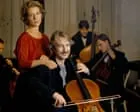
Cinema has repeatedly used the cello as a shorthand for sensitivity, intensity and emotional depth, with a new Pedro Pascal film, Behemoth!, continuing that tradition. The article argues that the instrument has become almost a character in its own right because its sound and physical performance communicate emotion without dialogue.
Cellist and composer Hildur Guðnadóttir says the cello resembles the human voice in range and expressive intonation, while its bowing is visually compelling on screen. Examples range from Audrey Hepburn in Love in the Afternoon to Hilary and Jackie, Tár and A Late Quartet; The Soloist even changed Nathaniel Ayers’s instrument from double bass to cello for the film.
In short
- The cello is cinema’s shorthand for emotional complexity.
- Its voice-like sound makes it especially expressive.
- Films favour its dramatic look and cultural associations.
Explained simply
The cello is a large stringed instrument played with a bow, known for its rich, warm sound that closely resembles the human voice. In cinema, filmmakers have developed a tradition of using the cello to convey emotion and psychological depth without needing dialogue or explanation. This has made the instrument almost a character in its own right, particularly in films exploring sensitivity, vulnerability or inner turmoil.
The cello communicates emotion through both its distinctive sound and the visual drama of its performance on screen. Cellist and composer Hildur Guðnadóttir explains that the instrument's expressive range mirrors the human voice, while the physical act of playing with a bow creates visually compelling moments that audiences find emotionally resonant. These qualities have made it a favoured tool for filmmakers seeking to reveal the inner lives of their characters without relying on words.
Films including Love in the Afternoon, Hilary and Jackie, Tár and A Late Quartet have all featured the cello prominently to signal emotional depth. The film The Soloist, based on a true story, even changed the instrument played by its main character from a double bass to a cello to heighten the emotional impact. This pattern reveals how consistently Hollywood has turned to the cello when it wants audiences to feel something profound.