It’s time to get real about the need to cut spending, ally tells Burnham
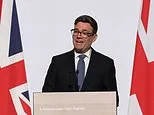
Prime Minister Andy Burnham faced sharp criticism after his first Commons statement, with Conservative leader Kemi Badenoch calling him a "spendthrift" and a "people pleaser" who cannot say where funding for his promises will come from. Long-standing ally Lord Jim O'Neill also urged Burnham to "get real" on controlling spending, warning that market unease over the UK's fiscal strategy could push up mortgage rates. The row comes as rising government borrowing costs threaten to blow a large hole in the public finances ahead of the Budget.
Gilt interest rates rose during Burnham's Commons statement, having already hit multi-decade highs, driven partly by the Iran conflict, persistent inflation and fears over an AI stock bubble, though the UK is seen as especially exposed. Experts warn Chancellor John Healey may need to find up to £14billion through tax rises, and less likely spending cuts, to stabilise the finances at the Budget on 28 October. Burnham highlighted two early tax cuts, including scrapping VAT on energy bills, but would not rule out tax increases. Sir Howard Davies, former NatWest chairman, said the bond sell-off did not reflect a major crisis of confidence but agreed concerns over Burnham's spending approach were unsettling markets, predicting a "very uncertain" few weeks ahead.
- Badenoch brands Burnham a "spendthrift" and "people pleaser" over spending
- Rising borrowing costs may leave a £14billion Budget shortfall
- Ally Lord O'Neill warns market unease could push up mortgage rates
New here? Start with this
The government pays interest when it borrows money, often by selling bonds known as gilts. If investors demand higher returns to lend to the UK, borrowing becomes more expensive and can leave less money for public services or other plans.
The prime minister sets the government’s priorities, while the chancellor manages taxes and public spending and sets out the financial plans at the Budget. Lord Jim O’Neill, a former minister and long-standing ally of Burnham, and Conservative leader Kemi Badenoch are among those questioning how his promises would be paid for.
The row matters because the government must balance its plans with the cost of borrowing and its tax income. Changes in borrowing costs can also affect interest rates across the economy, including the rates people pay on mortgages.
Both sides, in good faith
The strongest fair case each way — we don't pick a winner.
The case for
Burnham’s early tax cuts and spending promises may support households and public services at a time of economic pressure, and the bond sell-off has several causes beyond domestic policy. Sir Howard Davies said it did not amount to a major crisis of confidence, so supporters could argue that the Government should weigh the benefits of its plans carefully rather than respond to market movements with immediate cuts.
The case against
With borrowing costs already high and the public finances under pressure, the Government needs to show that its commitments are affordable and explain how it will fund them. If investors doubt that plan, borrowing costs could rise further and feed through to mortgages, leaving taxpayers and households to bear the cost; advocates of restraint therefore argue that credible spending control is needed to protect fiscal stability.