Entertainment news and discussion on TalkFuse.
I’ve checked gaming PC deals every week for two years and I’m not exaggerating when I say there isn’t a single well-priced PC left
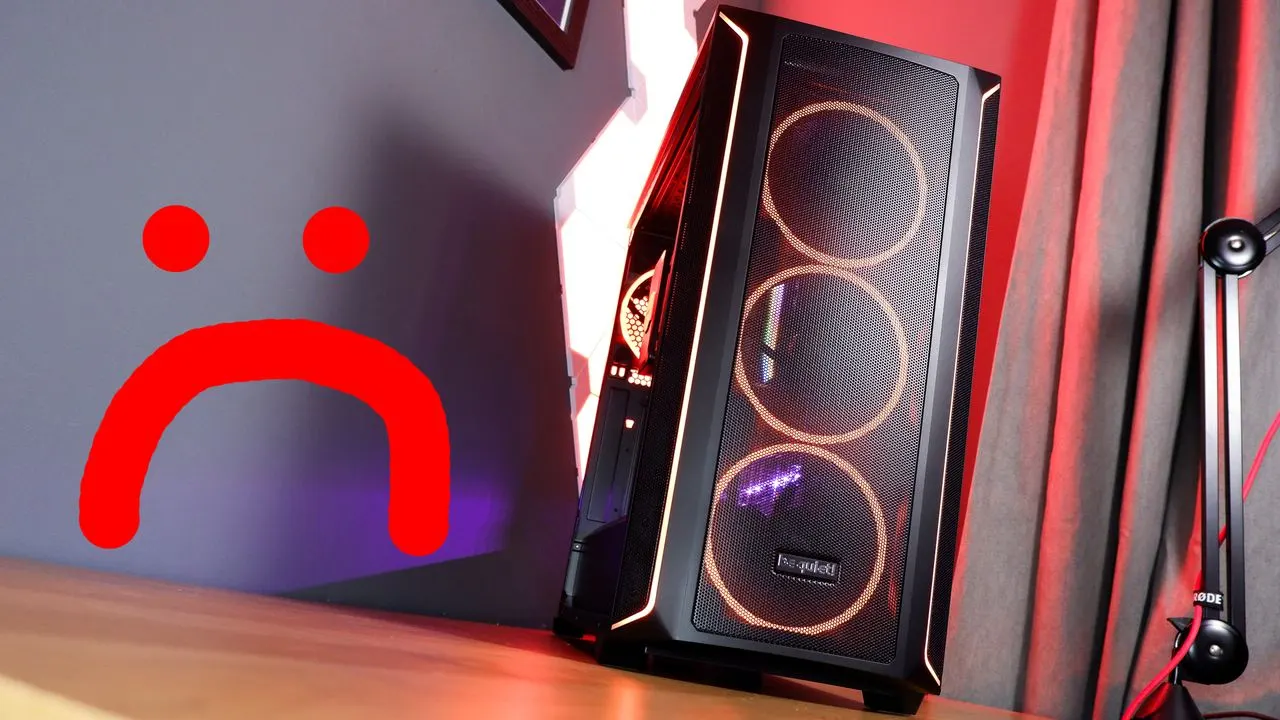
PC Gamer argues that good-value pre-built gaming PCs have effectively disappeared as component shortages and rising costs push prices up across the market. This matters because buyers may now need to accept weaker specifications for more money, while those on the tightest budgets could be priced out altogether.
The article attributes the change chiefly to a global memory shortage, higher storage and GPU costs, and demand linked to the AI boom. An RTX 5060 Ti PC that cost about $1,000 last year now starts near $1,200 and may use older DDR4 memory; a comparable RTX 5070 Ti system has risen from $1,900 to around $2,400, while cheaper AMD alternatives also offer less RAM or storage.
In short
- Gaming PC value has worsened across every price range.
- Memory shortages are raising system prices and reducing specifications.
- Buyers may need to reset expectations for current deals.
Steelman: both sides, in good faith
The strongest fair case each way — we don't pick a winner.
The case for
Rising memory, storage and graphics-card costs, alongside demand from AI, can make it harder for manufacturers to offer gaming PCs at last year’s prices. Buyers face higher bills or reduced specifications, and people with limited budgets may lose access to capable systems; describing value as having disappeared captures that real change in the market.
The case against
The headline may overstate a market-wide conclusion based on selected models and price comparisons. Higher prices do not mean every pre-built PC is poor value: value depends on current component prices, performance needs and alternatives, and some buyers may still find suitable systems by comparing deals or choosing different specifications.
Explained simply
A pre-built gaming PC is a computer sold ready to use, with its parts chosen and assembled by a manufacturer or retailer. Its graphics card, memory and storage help determine which games it can run and how smoothly they play, while the price depends partly on the cost and availability of those components.
The reported price rises are linked to shortages of computer memory and higher costs for storage drives and graphics cards. Demand from companies building artificial intelligence systems has also added pressure on supplies of some components. As a result, buyers may face higher prices for similar computers or have to choose a model with less memory or storage.