‘I’ve cried non-stop’ – Ditcheva breaks both hands again
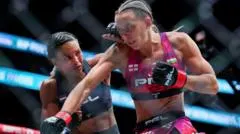
British mixed martial artist Dakota Ditcheva produced a dominant performance against Denise Kielholtz at a recent PFL event in New York, winning by unanimous decision with a 102-64 striking advantage. However, her victory came at significant physical cost, as she sustained fractures in both hands during the bout—injuries she concealed from her coaching team and did not reveal until after leaving the cage.
The setback marks the latest in a recurring pattern of hand injuries for the 28-year-old fighter, who had been sidelined for over a year following previous fractures. One of her current injuries involves a hand she chose not to undergo surgery on despite medical counsel that the decision carried re-fracture risk. Despite expressing emotional distress over the latest setback, Ditcheva reaffirmed her commitment to the sport and expects her recovery period to be shorter than her previous absence.
- Ditcheva won her comeback fight but broke both hands during the bout without telling her corner
- One injury involves a previously broken hand she avoided surgery on, despite medical warnings it could re-fracture
- The elite British fighter faces another layoff but expresses confidence she will return quicker than before
Both sides, in good faith
The strongest fair case each way — we don't pick a winner.
The case for
An adult athlete has the right to make her own medical decisions and push through the pain inherent to elite sport. Her dominant performance demonstrates exceptional skill and the determination that distinguishes elite competitors, and disclosure of injuries after the bout shows appropriate transparency. Many elite athletes throughout history have competed through significant physical challenges, and this willingness to sacrifice for one's sport is part of what makes athletic achievement meaningful.
The case against
Repeatedly fracturing the same bones indicates a systematic problem in her training, technique, or decision-making that requires intervention rather than stoicism. Hiding injuries from her coaching team prevents them from providing essential support and guidance, whilst ignoring medical advice about surgery on a previously fractured hand whilst continuing to fight represents reckless self-harm. The severe emotional distress she describes suggests this pattern is unsustainable and threatens both her immediate health and long-term career viability.