World news and discussion on TalkFuse.
I’ve just finished reviewing AMD’s latest gaming CPU and I would genuinely considering switching back to Intel
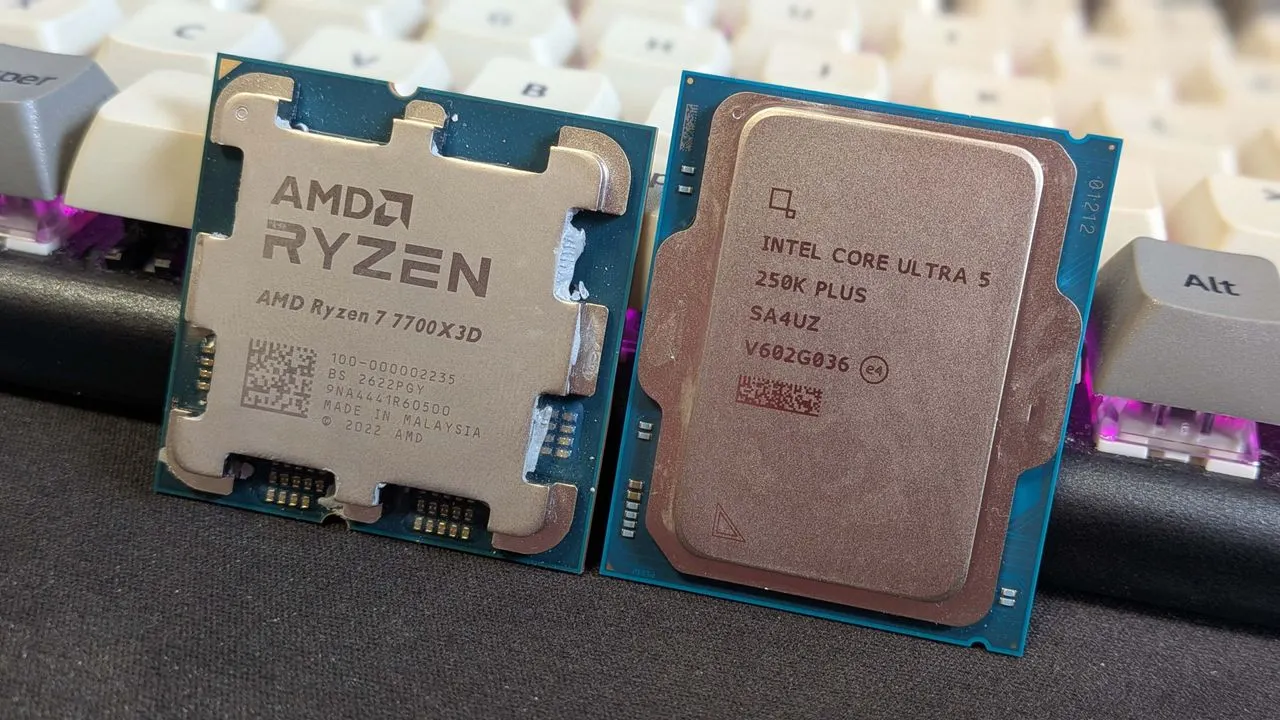
PC Gamer argues that AMD’s Ryzen 7 7700X3D is a capable gaming processor, but its price and positioning make Intel’s Core Ultra 5 250K Plus a more compelling choice for many new budget PC builds. The comparison matters because it suggests buyers may get better overall value by spending less on the processor and directing the saving towards a more powerful graphics card.
The 7700X3D has a $329 recommended price, yet its older Ryzen 7 7800X3D counterpart can often be found for the same price or less. Intel’s 18-core Core Ultra 5 250K Plus costs about $200, offers gaming performance close to AMD’s X3D chips in many titles, and provides stronger productivity performance; however, AMD’s AM5 platform is supported through 2029, whereas Intel’s LGA 1851 socket offers a limited upgrade path.
In short
- Intel’s $200 chip may offer better new-build value.
- AMD’s 7700X3D faces competition from its older sibling.
- AM5 remains the stronger platform for future upgrades.
Steelman: both sides, in good faith
The strongest fair case each way — we don't pick a winner.
The case for
Intel's Core Ultra 5 250K Plus offers superior immediate value for gaming-focused builders, matching AMD's X3D gaming performance whilst costing $200 against AMD's $329 and allowing that $129 saving to boost graphics card performance—where it matters more for frame rates. For gamers prioritising performance-per-pound and building today, this represents the more rational choice regardless of long-term socket considerations.
The case against
AMD's AM5 platform delivers better long-term value through manufacturer support extending to 2029, enabling CPU upgrades without motherboard replacement—a meaningful lifetime saving. Intel's new LGA 1851 socket offers limited upgrade prospects and an uncertain future, whilst AMD provides stronger productivity performance for creators, streamers, and those juggling varied workloads. For those keeping systems for years and valuing platform flexibility, this is the more prudent investment.
Explained simply
Gaming PCs use a processor, or CPU, to run games and other tasks, and a graphics card to create the images on screen. Buyers often have to balance spending between the two: a less expensive CPU can leave more money for a graphics card, which can make a bigger difference to game performance.
AMD and Intel are the two main makers of desktop CPUs. AMD’s Ryzen 7 7700X3D is designed with gaming in mind, while Intel’s Core Ultra 5 250K Plus is a lower-priced option that can also handle work tasks such as video editing. AMD’s AM5 motherboard platform is expected to support processors through 2029; Intel’s LGA 1851 platform has a shorter upgrade path, so the choice can also affect future upgrade costs.