Sport news and discussion on TalkFuse.
I’ve studied military strategy. Trump now faces Iran’s oldest battlefield trick
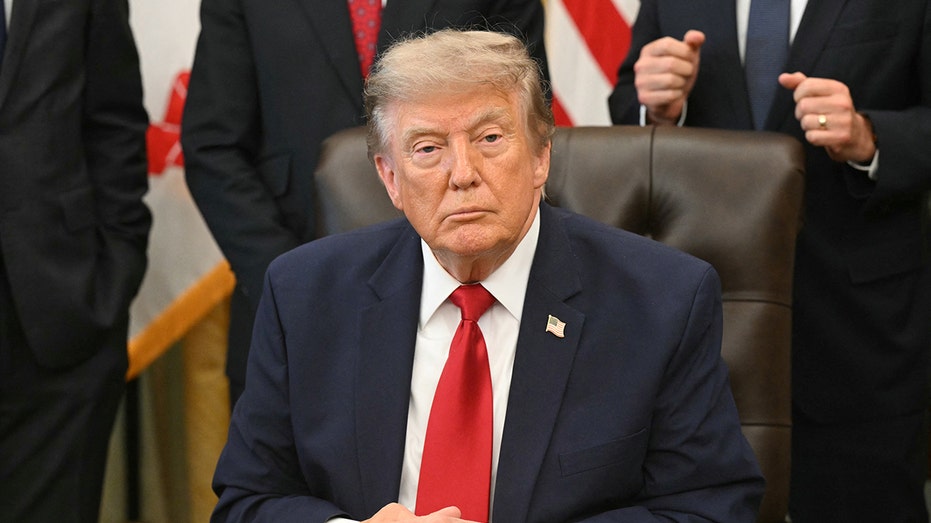
In a Fox News opinion piece, a military strategy analyst argues that Iran, unable to defeat the United States militarily, is instead relying on a longstanding tactic of drawing out negotiations and widening the conflict to avoid a decisive defeat. The author frames the confrontation as a game of chess rather than checkers, suggesting President Donald Trump holds the stronger position but must understand how to "finish the game" rather than simply gain temporary advantage, as Tehran seeks to stall and expand the situation before Washington can press its advantage.
The piece draws on the historical origins of chess terminology, noting that the game passed through Persia, where "shah mat" (the origin of "checkmate") meant the king was rendered helpless. The article is accompanied by references to related commentary, including claims from a retired general that controlling Iran's economy could break the regime, warnings that Iran risks losing control of the Strait of Hormuz, and reports that Trump is reportedly considering further bombing targets as tensions continue.
In short
- Fox News opinion piece likens US-Iran standoff to a chess match.
- Author says Iran can't win outright but can prolong and widen conflict.
- Piece urges Trump to secure decisive victory, not just short-term gains.
Steelman: both sides, in good faith
The strongest fair case each way — we don't pick a winner.
The case for
The United States possesses overwhelming military and economic advantages over Iran, and these must be deployed decisively to prevent Iran from achieving its strategic objectives through delay and regional expansion. Clear demonstrations of strength, firm red lines, and credible military options create incentives for Iranian concessions and deter further provocative behaviour. A show of weakness or excessive reliance on negotiation without underlying coercive capacity invites Iranian confidence and escalation.
The case against
Military escalation with Iran carries substantial risks of unintended consequences and regional destabilisation despite apparent American military superiority. Iran possesses significant asymmetric capabilities—proxy networks and influence over critical shipping lanes—that may not yield to external coercion alone. Sustained confrontation without genuine diplomatic off-ramps increases the danger of miscalculation and conflict spirals, and history suggests that coercion divorced from credible diplomacy typically hardens opposition rather than producing durable strategic concessions.
Explained simply
The United States and Iran are engaged in an ongoing confrontation, with significant military tensions between the two countries. An opinion analyst has argued that Iran, unable to defeat America militarily, is instead relying on a strategy of prolonging negotiations and widening the conflict to avoid a decisive loss.
This analysis compares the situation to ancient patterns of strategic thinking, drawing on references to chess as it developed in Persia to illustrate Iran's approach. The author suggests that President Trump currently holds the military advantage but must understand how to achieve conclusive victory rather than merely gaining temporary advantage, which is what Iran may be attempting to prevent.
The confrontation involves broader strategic issues around Iran's regional influence and control of vital shipping routes. Military experts and officials are debating various potential approaches to the situation, ranging from economic pressure to military measures, as tensions continue.
Cricket Middle East Sport World