Jabra Enhance Select M3 Review (2026): A Big Price for Small Wins
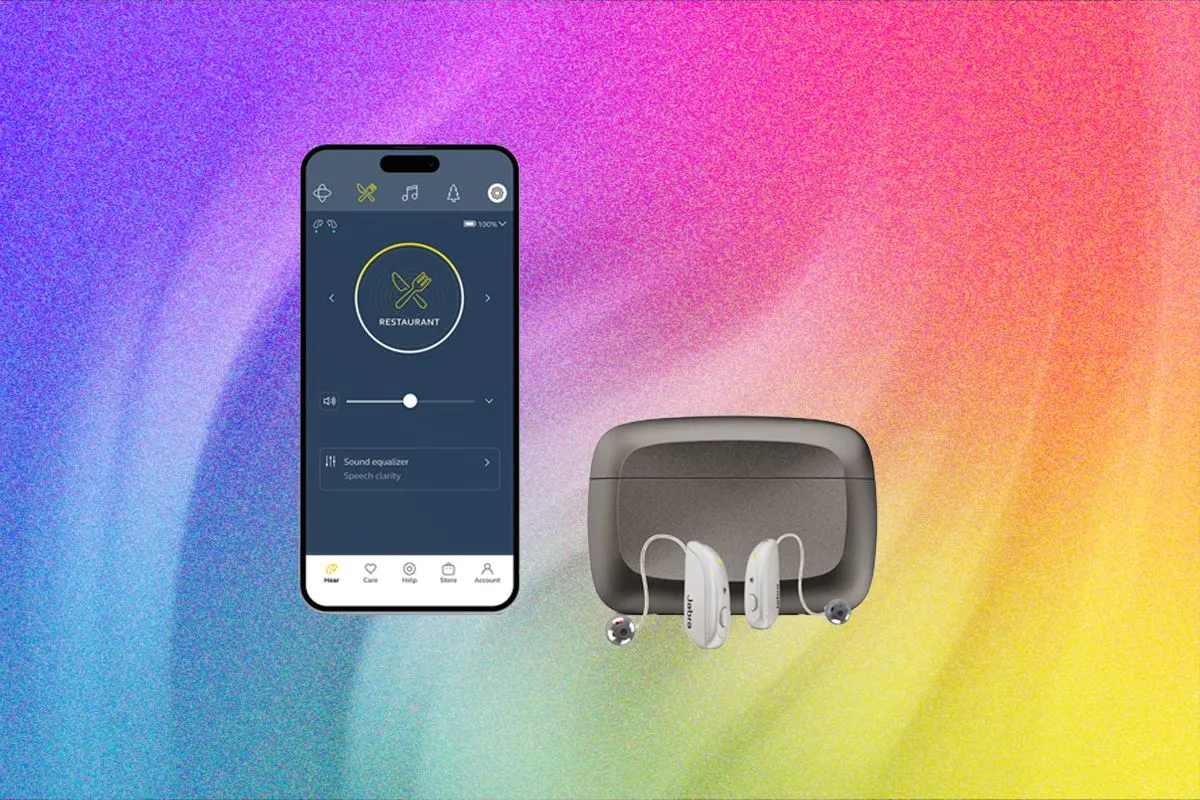
Jabra has replaced its recent hearing-aid range with three new M-series models, including the Enhance Select M3. The review finds the M3 among the better devices available, but its modest gains over earlier generations make its high price harder to justify.
The M3 adds autofocus designed to follow speech in noisy places and an adaptive listening mode, though the reviewer found the first only moderately effective and preferred adjusting noise reduction manually. Conversation was clear in quiet settings, while streaming remained weak around background noise; the aids weigh about 2.12 grams and include three years of audiologist support.
- Jabra’s M3 offers only modest improvements over earlier models.
- Speech clarity is strong in quiet settings.
- Streaming struggles with ambient noise.
New here? Start with this
Jabra is a maker of hearing aids, devices worn in or behind the ear to make sounds easier to hear. Its Enhance Select range is designed for people who want hearing aids with remote support from hearing-care professionals, including audiologists, who assess hearing and help adjust the devices.
The M3 is part of a new line of three models, following earlier versions of the range. Features such as noise reduction and streaming can affect how useful hearing aids are in different settings, while professional support and price are also part of the overall value.
Hearing aids can make conversation easier, but they do not work equally well for everyone or in every environment. Comparing a new model with earlier devices helps readers judge whether its added features and support are worth the cost.
Both sides, in good faith
The strongest fair case each way — we don't pick a winner.
The case for
The M3 may be worth its premium for people who value clear conversation in quiet settings, a light and comfortable design, and three years of audiologist support. Its autofocus and adaptive listening features also offer useful help in changing sound environments, even if their benefits are modest.
The case against
The improvements over earlier models may be too small to justify the high price, particularly if autofocus works only moderately well and manual noise adjustment is more effective. Weak streaming performance around background noise further limits the case for upgrading, especially for buyers whose older aids already meet their needs.