Jack Smith’s Senate phone records probe turns to Verizon’s handling of subpoenas
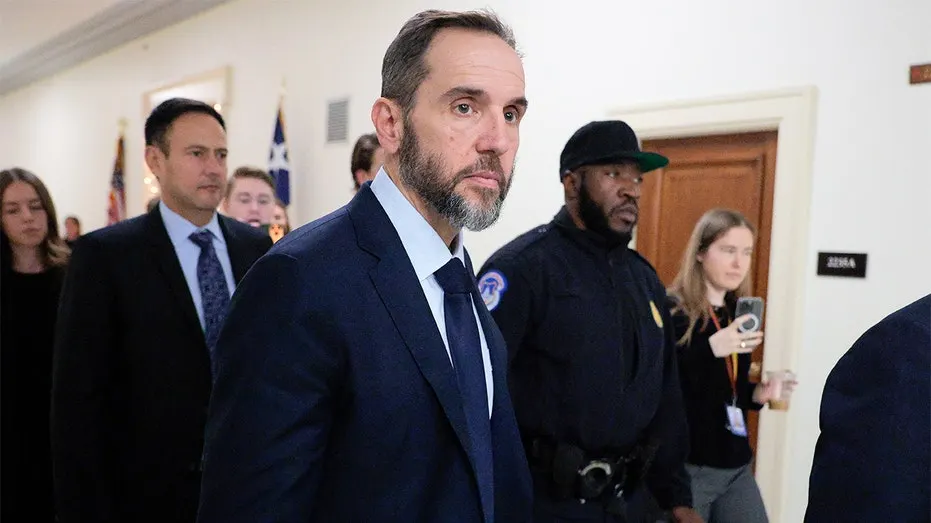
A Senate investigation into former special counsel Jack Smith’s Arctic Frost inquiry is examining Verizon’s decision to comply with subpoenas for Republican lawmakers’ phone records. The issue matters because Republicans argue the requests may have bypassed constitutional protections for members of Congress, while Verizon says it was responding to legally valid demands.
Senator Chuck Grassley said Verizon and other carriers received subpoenas connected to the investigation that preceded Smith’s election-related case against Donald Trump. Verizon provided limited call-detail information for some lawmakers and later said it had changed its procedures to scrutinise law-enforcement requests involving Congress more closely; AT&T said it challenged similar requests and did not provide records.
In short
- Senate inquiry scrutinises Verizon’s handling of subpoenas.
- Republicans allege congressional safeguards were bypassed.
- Verizon says it complied with valid legal demands.
Steelman: both sides, in good faith
The strongest fair case each way — we don't pick a winner.
The case for
Republicans and constitutional scholars concerned about this issue argue that members of Congress deserve heightened protection under the Speech or Debate Clause when investigators seek their communications, since such records could expose their legislative deliberations and confidential sources. They contend that Verizon should have challenged these subpoenas rather than complying, noting that AT&T took that approach, and that unscrutinised access to congressional phone records sets a dangerous precedent that could chill legitimate legislative activity, particularly when investigations target political opponents.
The case against
Supporters of Verizon's initial compliance argue that telecommunications companies have legal obligations to honour validly issued subpoenas and should not unilaterally decide which government requests to refuse. They note that phone records are distinct from communications content and may face different constitutional scrutiny, that courts—not private companies—should ultimately determine constitutional questions, and that if prosecutors obtained proper legal authority for these subpoenas, law enforcement's legitimate investigative needs should be respected, though Verizon's subsequent procedural improvements demonstrate appropriate responsiveness to concerns.
Explained simply
Jack Smith was a special counsel who led a US Justice Department investigation into efforts to overturn the 2020 presidential election. That inquiry, known as Arctic Frost, preceded a federal case against Donald Trump over his actions after the election. Phone companies can be ordered to provide call records, which show details such as who called whom and when, but not the content of calls.
The Senate inquiry is looking at how Verizon handled subpoenas for records linked to Republican lawmakers. Senator Chuck Grassley is leading scrutiny of the requests, while Verizon and AT&T are among the phone companies involved. The dispute raises questions about how law-enforcement demands for lawmakers’ records should be handled and what protections apply to members of Congress.
Geopolitics Government Politics World