Jalen Hurts puts spotlight on blood thinners: 5 mistakes that could put patients at risk
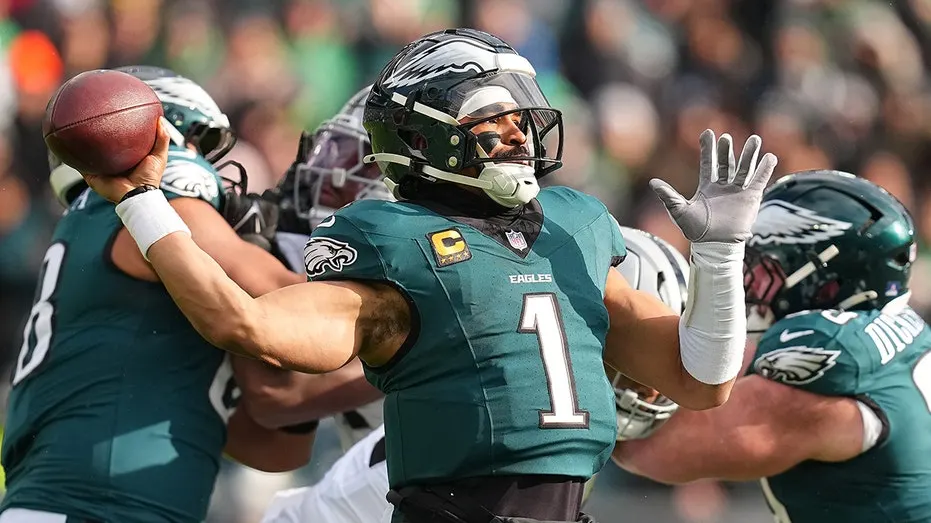
Philadelphia Eagles quarterback Jalen Hurts’ blood clots in both lungs have drawn attention to blood thinners and the precautions required when taking them. Although these medicines help prevent clots from growing or forming, they can make bleeding harder to stop, including after a fall or sporting injury.
Experts say patients should not stop or extend treatment without medical advice, or change how they handle a missed dose without checking the instructions or contacting a clinician. They also advise checking before adding medicines or supplements, recognising serious bleeding symptoms, and discussing safe activities with a doctor. For a clot with a clear cause, treatment often lasts about three months, though duration varies; blood thinners do not dissolve clots, but help prevent them growing while the body clears them.
In short
- Hurts’ lung clots have highlighted blood thinner precautions.
- Never change treatment or doses without medical guidance.
- Check interactions, bleeding signs and activity risks with a clinician.
Explained simply
Blood clots can form in veins and sometimes travel to the lungs, where they can block blood flow. Blood thinners, also called anticoagulants, reduce the chance of clots growing or new ones forming while the body gradually clears an existing clot.
These medicines can also make bleeding harder to stop, so treatment involves balancing the risk of clots against the risk of bleeding. How long someone takes them, what to do after a missed dose and which activities or other medicines are safe depend on the individual and should be discussed with a clinician.
Jalen Hurts is the Philadelphia Eagles’ quarterback; his reported clots in both lungs have brought wider attention to these treatments. Understanding their benefits and risks matters to patients and carers because stopping, extending or changing treatment without medical advice can affect safety.