Culture news and discussion on TalkFuse.
James Carville responds to ‘vicious’ progressive Democrats trying to drive him out of the party
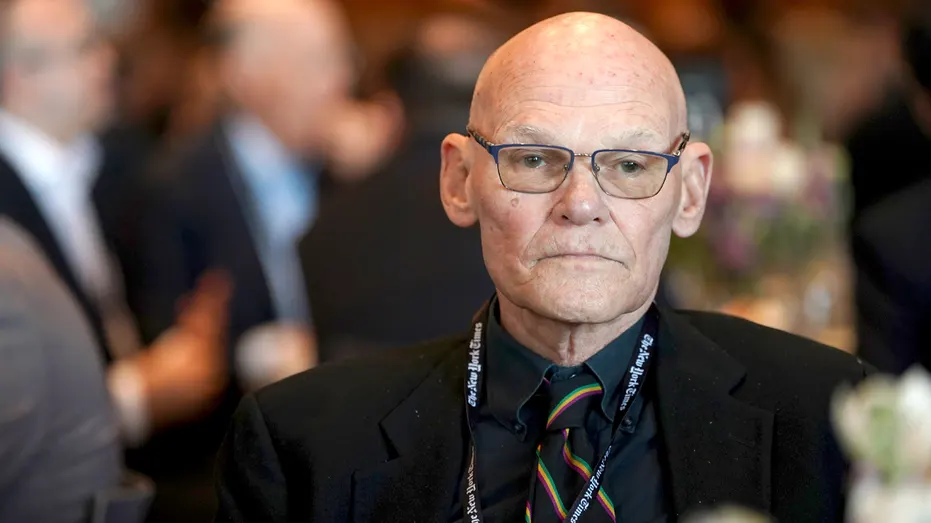
James Carville, the veteran Democratic strategist, has publicly mocked progressive critics who have suggested he leave the Democratic Party, underscoring deepening rifts between moderate and left-wing factions ahead of November's midterms. The exchange followed Michigan Senate nominee Abdul El-Sayed's appearance on progressive streamer Hasan Piker's Twitch channel, where both men disparaged Carville, prompting him to sarcastically dismiss them as "vicious" on his own show. Senator Bernie Sanders then weighed in on CNN, telling Carville to "start his own party" if he did not want to share one with progressives.
Carville hit back by noting that Sanders sits in the Senate as an independent rather than a Democrat, and pointed to Sanders' two unsuccessful presidential nomination bids. El-Sayed, backed by Sanders and Representative Alexandria Ocasio-Cortez, narrowly won Michigan's Democratic Senate primary and will face Republican Mike Rogers in November; despite the spat, Carville said he still expects El-Sayed to win. Carville also dismissed progressive ideas from Wisconsin gubernatorial candidate Francesca Hong as products of an "AI random stupid idea generator." Fox News said it had contacted Sanders, El-Sayed's campaign, Hong's campaign and Piker for comment.
In short
- Carville mocks progressives urging him to quit the Democratic Party
- Sanders told Carville to "start his own party"
- El-Sayed, backed by Sanders and AOC, faces Republican Rogers in November
Steelman: both sides, in good faith
The strongest fair case each way — we don't pick a winner.
The case for
The Democratic Party functions best as a broad coalition encompassing moderates and progressives alike. Carville and experienced strategists bring electoral wisdom developed through successful campaigns, and their perspective deserves consideration alongside progressive voices. The party's strength lies in appealing across ideological lines, and calls to expel moderate figures weaken this coalition and electoral competitiveness in swing regions.
The case against
The Democratic Party should more authentically represent progressive values and policies that substantial portions of its membership and voters support. Carville's dismissive rhetoric—characterising progressive ideas as products of an 'AI random stupid idea generator'—exemplifies how moderate voices mock rather than substantively engage with progressive contributions. Democratic voters have repeatedly elected progressive candidates, yet senior strategists maintain disproportionate influence whilst remaining sceptical of the direction the party's own base wishes to move.
Explained simply
The Democratic Party includes politicians with different views on issues such as government spending and healthcare. Some are described as moderates, while progressives generally support more far-reaching changes; disagreements between these groups can shape party debates and election campaigns.
James Carville is a longtime Democratic political strategist and commentator. Bernie Sanders is a US senator who serves as an independent, while Abdul El-Sayed is a Michigan politician seeking the Democratic nomination for the Senate; the party’s nominee will face Republican Mike Rogers in November.
The dispute reflects wider questions about which ideas and candidates should represent Democrats. It matters because divisions within a party can affect how it campaigns and presents its policies to voters.