Japanese consortium bets on building bobbing bit barns
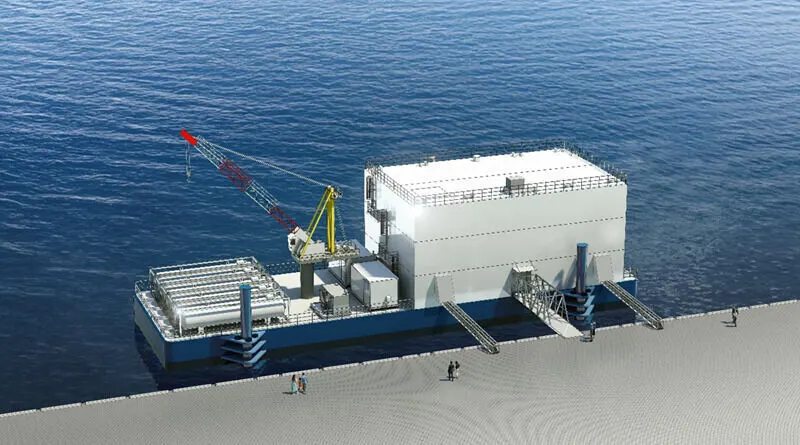
Four Japanese firms are exploring data centres on barges moored alongside port quays, aiming to meet growing computing demand while avoiding competition for scarce development land. The approach could use existing port infrastructure and nearby power, while helping the consortium work towards facilities farther offshore.
NYK Line will lead development, NTT Facilities will assess design, construction and operation, Eurus Energy will explore renewable power, and MUFG Bank will consider financing. The group began testing a renewable-powered demonstration with Yokohama in March, but has not announced the planned capacity or operating date. Samsung Heavy Industries says it expects its first floating facility to be operational by the second quarter of 2028.
- Four Japanese firms are exploring data centres on port-side barges.
- A Yokohama demonstration began testing in March.
- The consortium has yet to give a capacity or launch date.
New here? Start with this
Data centres are large facilities that house the computers and equipment behind online services, storing and processing information around the clock. As demand for computing grows, finding suitable sites can be difficult: centres need substantial power and links to communications networks, and they compete for land with other uses.
The Japanese project brings together shipping company NYK Line, engineering firm NTT Facilities, renewable energy developer Eurus Energy and MUFG Bank. They are examining whether data centres could be built on barges beside port quays, making use of existing port facilities and nearby power supplies.
The idea is part of a wider search for ways to expand computing capacity, including facilities farther offshore. Building on water could reduce pressure on scarce development land, but would require the consortium to work out how to supply reliable power and operate the facilities safely.
Both sides, in good faith
The strongest fair case each way — we don't pick a winner.
The case for
Floating data centres could add computing capacity where development land is scarce, make use of ports and nearby power, and create a practical route towards more offshore facilities. If renewable electricity can be integrated effectively, the approach may also support growing digital demand while advancing cleaner energy use.
The case against
Building and operating data centres on barges could bring technical, financial and environmental challenges, including reliable power, cooling, maintenance and resilience in a marine setting. The plans remain exploratory, with no announced capacity or operating date for the Japanese consortium, so it is not yet clear whether the model can deliver dependable capacity at a competitive cost.