World news and discussion on TalkFuse.
Forensic scientist challenges official ruling on Epstein’s death after autopsy review
Developed over time first seen 3 days ago
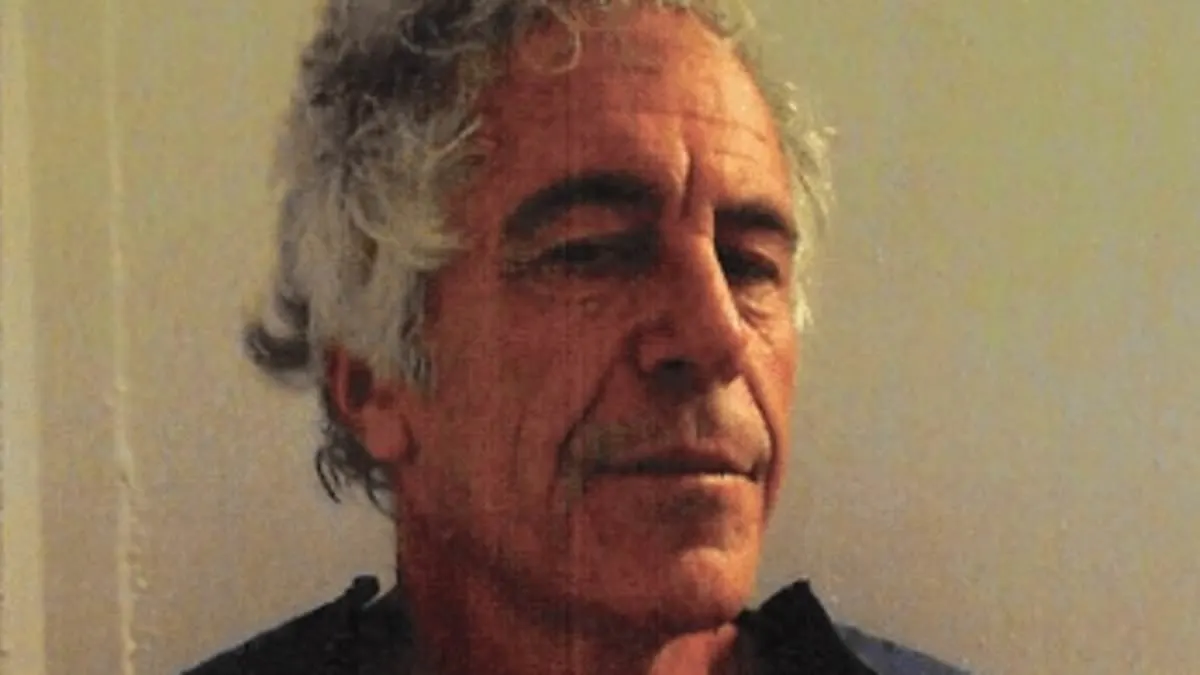
Jeffrey Epstein’s death in a New York federal jail in 2019 was officially ruled a suicide, but forensic scientist Dr Michael Freeman disputes that conclusion after reviewing the autopsy file. He says the neck injuries are more consistent with strangulation, a claim that renews scrutiny of a death surrounded by longstanding questions.
Epstein’s brother Mark provided the file to Freeman in November 2025, and Freeman examined it for a year with a cognitive neuroscientist and another forensic pathologist. Freeman describes a deep, branched Y-shaped bruise, which he says differs from the smooth, slanted mark typical of hanging. The group is seeking a peer-reviewed journal to publish its conclusion; the New York City medical examiner, FBI and Justice Department maintain the official suicide ruling.
- Sources
- 2
- Outlets
- 2
- Left · Centre · Right
- 0 · 0 · 2
In short
- Freeman disputes the official suicide ruling.
- He says the neck injury suggests strangulation.
- The team’s conclusion has not been peer-reviewed.
How this story developed
- 2 days ago Freeman said the neck injury had a deep, Y-shaped mark, and disclosed that he had spent a year examining the autopsy file with two specialists after Epstein’s brother supplied it in November 2025; their conclusions remain unpublished in a peer-reviewed journal.
- 2 days ago Forensic scientist Dr Michael Freeman disputed the official finding that Jeffrey Epstein died by suicide in 2019, saying autopsy injuries pointed more towards strangulation, though authorities had ruled the death a suicide.
Steelman: both sides, in good faith
The strongest fair case each way — we don't pick a winner.
The case for
The strongest case for questioning the suicide ruling is that Dr Freeman says the shape and depth of the neck injury differ from what he would expect in a hanging and fit strangulation better. His year-long review, involving other specialists, may justify renewed scrutiny, especially if the underlying records and methods are made available for independent assessment.
The case against
The official medical examiner, FBI and Justice Department concluded that Epstein died by suicide, and their finding remains the established determination. Freeman’s analysis has not been published in a peer-reviewed journal, so its methods and interpretation have not yet undergone that form of scrutiny; the reported injury description alone does not establish that another person caused Epstein’s death.
Explained simply
Jeffrey Epstein was a wealthy US financier who was arrested in 2019 on federal sex-trafficking charges involving underage girls. He died in a New York jail while awaiting trial; the city’s medical examiner ruled his death a suicide by hanging.
The medical examiner investigates deaths that are sudden, unexplained or occur in custody, and federal agencies also examined Epstein’s death. His case attracted intense public attention because of his connections to prominent people and concerns about how he was monitored in jail. Forensic pathologists assess injuries and other evidence to help determine how someone died, but their conclusions can differ.
Coverage · 2 sources
Bias meters
From 2 rated sources.
Read the full article at the source →
Originally published by Daily Mail as “Jeffrey Epstein’s death was not suicide, top forensic scientist finds in new report: ‘That’s not a hanging mark’”.