Jellyfish block filters, shutting Gravelines nuclear reactors
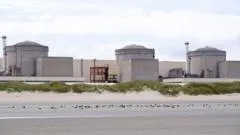
A large influx of jellyfish has forced the partial shutdown of the Gravelines nuclear power station in northern France after they blocked parts of its seawater filtration system. The disruption matters because Gravelines is one of France’s largest nuclear plants, and its cooling system depends on water drawn from a canal connected to the North Sea.
EDF said units three, four and six were shut, with unit three having only returned to the grid on 18 August after an earlier jellyfish-related interruption. Units one and two were operating at reduced power as a precaution; each of the plant’s six reactors can generate 900 megawatts. Jellyfish are more active in warmer months, when hot weather can increase surface plankton levels, and similar but rare incidents have affected plants in Scotland and Sweden.
- Jellyfish blocked cooling filters at Gravelines nuclear plant.
- Three reactors were shut and two reduced output.
- Warm conditions can increase jellyfish activity.
New here? Start with this
Gravelines is a nuclear power station on France’s northern coast, near the Belgian border. It has six reactors, each capable of producing 900 megawatts of electricity, and is among France’s largest nuclear plants.
Like other nuclear stations, Gravelines needs a steady supply of water to cool its reactors. It draws seawater through filters from a canal connected to the North Sea; jellyfish can clog those filters and disrupt the flow. The plant is operated by EDF, France’s state-owned electricity company.
Jellyfish numbers can rise in warmer months, when conditions favour the plankton they feed on. Similar blockages have occasionally affected nuclear plants elsewhere, including in Scotland and Sweden, making marine life and water conditions relevant to the operation of coastal power stations.
Art Business Culture Europe Markets World
Read the full article at the source →
Originally published by BBC World as “Jellyfish force partial shutdown of French nuclear plant”.