Sport news and discussion on TalkFuse.
Jemele Hill posts misleading study to suggest there are too many ‘white men’ in sports media
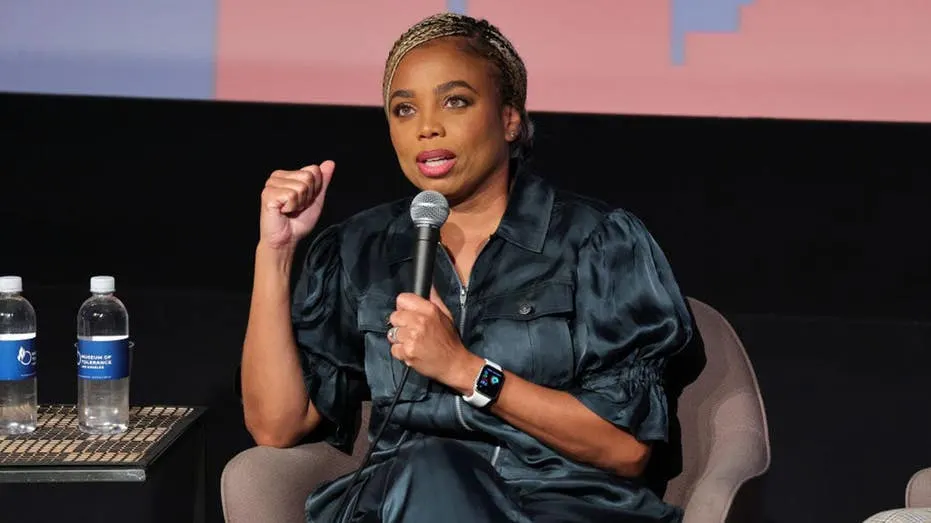
ESPN's Jemele Hill dismissed calls to add male commentators to WNBA broadcasts, arguing sports media already has too many "white men" in prominent roles, and cited a study to back her claim. Critics say the study she referenced does not support that conclusion, framing her post as misleading. The exchange has become part of a wider row over the lack of diversity on WNBA studio shows, which are staffed predominantly by Black women.
The debate was sparked by NBA reporter Ric Bucher, who argued that networks such as ESPN and NBC should add a male voice to their WNBA coverage to broaden its appeal. Hill rejected the idea as "deeply unserious", instead pointing to what she characterised as an overrepresentation of white men across the sports media industry as a whole. The dispute comes amid broader recent friction around the WNBA, including a separate controversy over the league's handling of fans wearing certain shirts at games.
In short
- Jemele Hill rejects calls for male WNBA broadcasters
- She cites a study critics say she misrepresented
- Row follows Ric Bucher's push for more diverse coverage voices
Steelman: both sides, in good faith
The strongest fair case each way — we don't pick a winner.
The case for
There is a documented pattern of white men occupying prominent positions in sports media, and the WNBA represents a valuable platform where Black women have gained visibility and professional opportunity. Prioritising the expansion and protection of these spaces reflects a commitment to equity: historically marginalised groups should have secure access to the platforms built around them, and introducing more male voices risks diluting that hard-won representation by redirecting resources to a demographic already well-served across the broader industry.
The case against
Even if systemic representation concerns have merit, citing a study that does not actually support one's conclusion is misleading and undermines honest debate. The question of what serves WNBA broadcasts best should rest on evidence about audience preferences and commentary quality rather than demographic calculations. Evaluating contributors primarily through their identity rather than their skills contradicts meritocratic principles and mirrors the exclusionary logic that diversity advocates rightly object to in other contexts.
Explained simply
WNBA broadcasts are the television and studio coverage of the Women’s National Basketball Association, the top women’s professional basketball league in the US. Discussion about who appears as a commentator often centres on whether the people covering the sport reflect the players and audience.
NBA reporter Ric Bucher argued that networks including ESPN and NBC should add a male commentator to their WNBA coverage. Jemele Hill, a sports journalist and former ESPN presenter, opposed that suggestion and cited a study about representation in sports media; critics say the study does not support the conclusion she drew from it.
The disagreement comes amid wider debate about diversity on WNBA studio shows, where most presenters are Black women. It also sits alongside other recent disputes around the league, including a separate controversy over its handling of fans wearing certain shirts at games.
Basketball Research Science Sport World