World news and discussion on TalkFuse.
Jewish NYC health workers say Mamdani’s hostility to Israel lead to discrimination, retaliation: suit
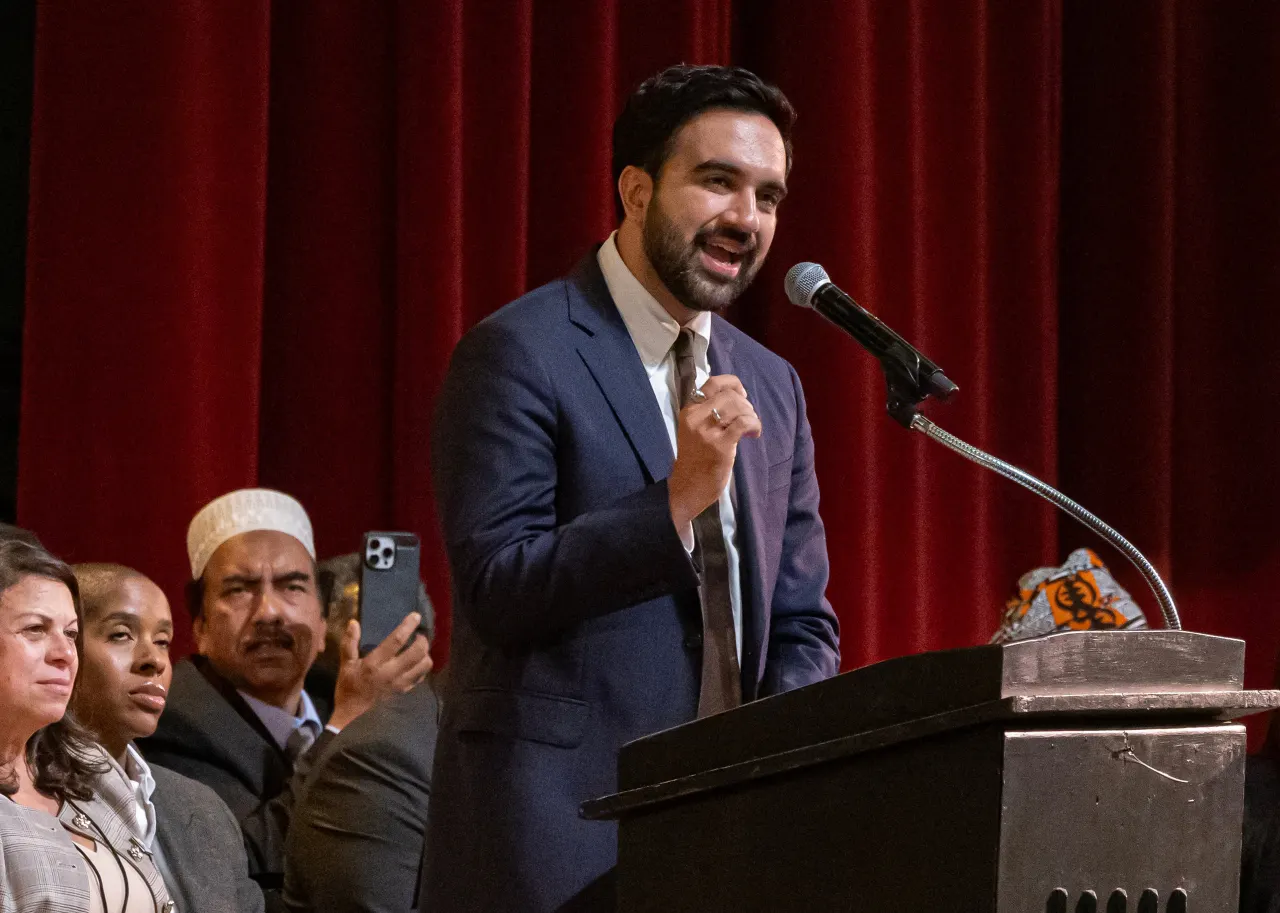
Seven New York City Health Department employees have sued the city, alleging that officials discriminated against Jewish staff by rejecting their proposed employee group and retaliating after they mourned Jews killed at a Hanukah gathering in Australia. The complaint argues that the department’s actions, alongside what it describes as Mayor Zohran Mamdani’s hostility towards Israel, contributed to an anti-Jewish workplace climate.
The lawsuit says the department rejected HINENU, a proposed group focused on Jewish peoplehood, ancestry and culture, while recognising groups including LGBTQ+ colleagues and indigenous peoples. It alleges that after the workers emailed 85 colleagues and organised an online support space, an equal employment official ordered them to stop and investigated them over alleged discrimination; the case was later closed without findings. The department’s employee groups receive an agency email account, a SharePoint page, calendar access and an annual budget of $5,000.
In short
- Seven health workers allege anti-Jewish discrimination in a lawsuit.
- Their proposed Jewish employee group was rejected.
- The city investigation into them closed without findings.
Steelman: both sides, in good faith
The strongest fair case each way — we don't pick a winner.
The case for
The employees’ strongest case is that rejecting a Jewish cultural and ancestry group while recognising other employee groups, then investigating staff who sought support after Jews were killed, could signal unequal treatment and chill Jewish employees’ ability to express grief and build community. They may argue that the investigation itself was retaliatory even though it ended without findings, and that the city should apply consistent standards to employee groups and workplace expression.
The case against
The city could argue that employee groups must meet neutral, consistently applied criteria, and that a proposal centred on Jewish peoplehood or ancestry may have raised questions about scope or duplication that do not amount to discrimination. It could also say that reviewing workplace communications and support activities was a legitimate effort to assess policy compliance, not retaliation for employees’ identity or grief; the investigation’s closure without findings may support that account.