Jim Acosta urges TV networks to stop airing some Trump speeches live, calls them ‘totally nuts’
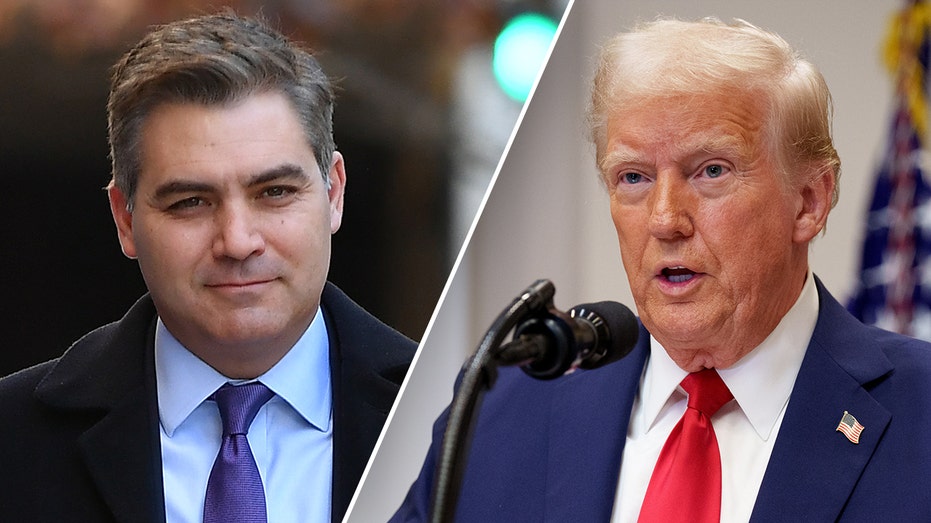
Former CNN anchor Jim Acosta has urged television networks to stop airing some of President Donald Trump's speeches live, arguing it would be "totally nuts" for broadcasters to do so without fact-checkers on hand to challenge inaccurate claims in real time. His comments follow a row over how US networks covered Trump's primetime address last Thursday, after ABC and NBC chose not to broadcast it live, prompting Trump himself to criticise both networks during the speech.
The decision by ABC and NBC drew a backlash from some Republicans, including Department of Homeland Security chief Markwayne Mullin, who branded the snub "shameful", while Democratic strategist James Carville argued networks had made a mistake by avoiding the speech altogether. CBS did air the address, but faced separate criticism from Senator Mark Warner, who accused the network of broadcasting Trump's "falsehoods" as news; CBS anchor Tony Dokoupil pushed back against that characterisation. Acosta's remarks add a further, contrasting voice to the debate, siding with the networks that opted against live, unfiltered coverage.
- Jim Acosta says live Trump speeches without fact-checkers are "totally nuts"
- Follows ABC and NBC skipping Trump's primetime address live
- Republicans call the snub "shameful"; Carville says it was a mistake
- CBS aired it live but was accused of broadcasting "falsehoods"
Both sides, in good faith
The strongest fair case each way — we don't pick a winner.
The case for
Those who share Acosta's concern argue that broadcasters have an editorial duty not to serve as an unfiltered megaphone for claims they know to be false, particularly on matters as consequential as election integrity. They contend that live, uninterrupted airing lends a veneer of authority to disputed assertions before any fact-checking can occur, and that responsible journalism sometimes requires context, delay, or curation rather than reflexive live coverage of any presidential remarks.
The case against
Those who defend live broadcast argue that the public has a right to hear the words of their elected leader directly and in full, without a broadcaster or commentator pre-filtering what citizens are permitted to see. They contend that suppressing or delaying coverage of a sitting president's address sets a troubling precedent for media gatekeeping, and that voters are capable of weighing the president's claims themselves, especially when accompanied by subsequent analysis and fact-checking rather than by editorial exclusion beforehand.