World news and discussion on TalkFuse.
Jim Chalmers had a sneaky strategy behind his economic doom and gloom speech. He’s taking us for fools and I’m calling it out: PETER VAN ONSELEN
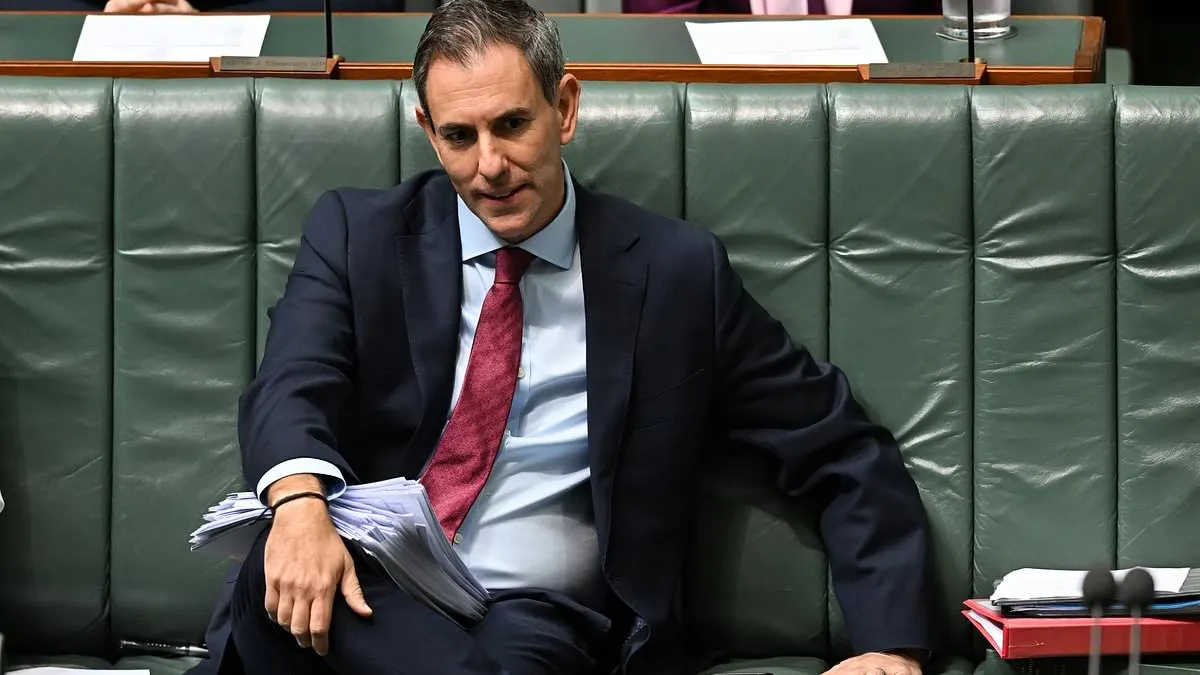
Treasurer Jim Chalmers has warned parliament that Australia’s economy may weaken, unemployment may rise and future deficits may grow ahead of next month’s budget update. The article’s author argues that this gloomy outlook gives Chalmers political cover: if results are poor, he can say he warned people, while outcomes that are merely less bad than forecast could be presented as a success.
The article notes that higher interest rates, rising unemployment and inflation are increasing pressure on households and government finances. It says Commonwealth spending is 26.9 per cent of GDP, its highest share in 40 years outside the pandemic, and that Chalmers expects modest savings that he concedes will not measurably reduce inflation. It also discusses pressure within Labor and names Andrew Charlton and Assistant Treasurer Dan Mulino as possible alternatives for the Treasury role.
In short
- Chalmers has warned of weaker growth, higher unemployment and larger deficits.
- The author says this could let him claim credit if outcomes are less poor.
- Government spending is 26.9 per cent of GDP, outside the pandemic peak.
Steelman: both sides, in good faith
The strongest fair case each way — we don't pick a winner.
The case for
Chalmers may be setting expectations honestly as economic conditions worsen, so Parliament and the public are prepared for weaker growth, higher unemployment and larger deficits. A warning can also give the government room to explain difficult budget choices and avoid presenting uncertain forecasts as guarantees.
The case against
The timing and tone of the warning may serve a political purpose as well as an economic one: poor results could be framed as anticipated, while outcomes that are simply less poor might be claimed as evidence of success. Critics may also argue that acknowledging pressure on households and public finances is not enough if the government’s spending plans and limited savings do little to address it.
Explained simply
Jim Chalmers is Australia’s federal Treasurer, responsible for the government’s economic policy and budget. The budget sets out expected tax income and public spending, while updates later in the year revise those forecasts.
Interest rates and inflation affect the cost of borrowing and everyday expenses, while unemployment and government deficits shape debate about the economy and public finances. The article also refers to possible leadership questions within the Treasury team: Andrew Charlton is a Labor MP, and Dan Mulino is Assistant Treasurer.