Business news and discussion on TalkFuse.
Jim Chalmers warns he will finally cut Australia’s bloated public service – as he desperately tries to get inflation under control
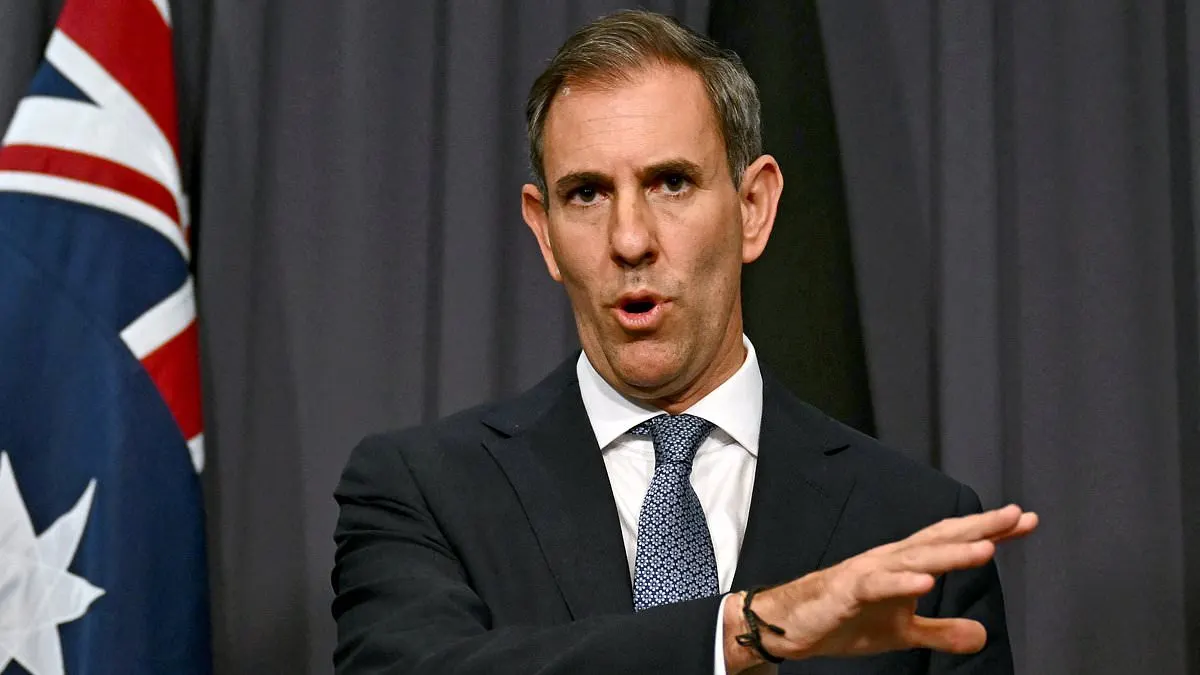
Treasurer Jim Chalmers has signalled that Australia’s federal public service may face further cuts as the government seeks savings amid rising inflation and budget pressures. He said the December budget update would include substantial savings and hard decisions, while pointing to ongoing efforts to improve efficiency across government.
Annual consumer inflation rose to 4.9 per cent in October, up from 4.3 per cent in September; underlying inflation reached 3.8 per cent, above the Reserve Bank’s 2 to 3 per cent target. The May budget forecast departmental expenses of A$114.6 billion and staffing costs rising by A$19.6 billion over four years, with average staffing levels projected at 217,300 in 2026-27. Chalmers said public servant numbers had fallen over the past year and spending on major accounting firms had halved, and ruled out replacing large numbers of staff with AI.
In short
- Chalmers signals possible further public service cuts.
- Annual inflation rose to 4.9 per cent in October.
- December’s budget update is expected to include savings.
Steelman: both sides, in good faith
The strongest fair case each way — we don't pick a winner.
The case for
With inflation above the Reserve Bank’s target and budget pressures mounting, reducing public-service costs could help restrain government spending and show taxpayers that departments are being asked to improve efficiency. Supporters may argue that reviewing staffing and procurement is a reasonable part of making hard savings, provided essential services and the government’s capacity to deliver them are protected.
The case against
Cuts could weaken the public service’s ability to deliver services, enforce rules and provide independent advice, especially if savings targets lead to the loss of needed expertise. Critics may argue that staffing reductions are a blunt response to inflation and that durable savings should come from careful efficiency reviews rather than cuts that shift costs or worsen services elsewhere.
Explained simply
Australia’s federal public service is made up of government departments and agencies that deliver services and put policy into effect. The Treasurer, Jim Chalmers, helps set the government’s budget, which determines how much public money is raised and spent.
Inflation measures how quickly prices rise, and the Reserve Bank of Australia aims to keep it within a set range. The government’s spending choices can affect the budget and the wider economy, while decisions about public service staffing can affect how government work is carried out.