Jimmy Kimmel’s FCC Fight Could Officially Mark the End of an Era for Late-Night TV
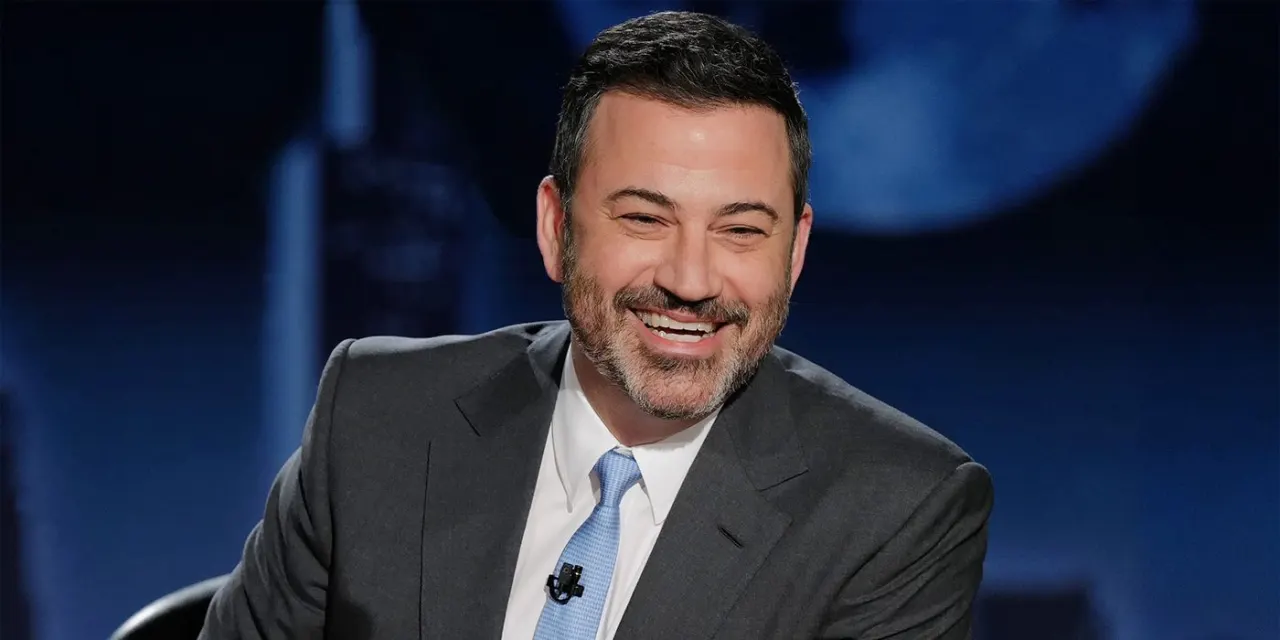
Jimmy Kimmel's ongoing clash with US regulators has escalated into a broader confrontation between the FCC and ABC, after the comedian hosted a spoof version of the White House Correspondents' Dinner featuring jokes about Melania Trump. Disney-owned ABC has filed a brief accusing the FCC of retaliating against the network by launching unprecedented early licence reviews of eight ABC-owned stations, arguing the move is politically motivated rather than a genuine regulatory concern. The dispute matters beyond one show, as it raises fears that a federal regulator could be weaponised to punish broadcasters for content critical of the administration.
ABC's filing warns that other programmes, including The View, are also implicated given hosts such as Whoopi Goldberg's criticism of President Trump, and argues the FCC has no business policing opinion or comedy content. The network's brief states plainly that the action "is a signal to every media company in the country" to align with the administration's preferred coverage or face consequences. The row follows Kimmel's temporary removal from air last year over comments made after podcaster Charlie Kirk's death, which triggered mass cancellations of Disney+ and Hulu subscriptions before he was reinstated; commentators now warn the case could set a precedent affecting free expression across late-night and talk TV more broadly.
- FCC targets eight ABC stations with unprecedented early licence reviews.
- ABC/Disney say it's retaliation for Kimmel's Melania Trump jokes.
- Case could threaten The View and free speech on US TV broadly.
Both sides, in good faith
The strongest fair case each way — we don't pick a winner.
The case for
This pattern of regulatory action targeting networks whose hosts have criticised the administration suggests weaponisation of the FCC's authority. The breadth and timing of these reviews—described as unprecedented—combined with their focus on stations airing programmes critical of the government, creates a credible inference of retaliation rather than routine oversight. When government agencies use licensing authority to scrutinise specific broadcasters for their editorial choices, it inevitably chills free expression across the industry and signals to media companies that critical coverage carries regulatory risks. Such practice fundamentally undermines the independence from government pressure that free expression requires.
The case against
The FCC conducts routine licensing reviews of all broadcasters to ensure compliance with public interest obligations and technical standards, regardless of editorial content. Broadcasters must meet regulatory requirements as a condition of their licences; allowing networks to avoid scrutiny simply by pointing to their hosts' political speech would effectively exempt them from accountability. The timing or existence of regulatory reviews does not necessarily prove political motivation, and conflating the FCC's legitimate regulatory authority with content censorship conflates distinct categories and would cripple the agency's ability to maintain broadcast standards. Not all regulatory action is retaliation, even when it involves broadcasters whose programming includes criticism of the government.