Jimmy McLoughlin: Labour’s lack of business experience is a problem
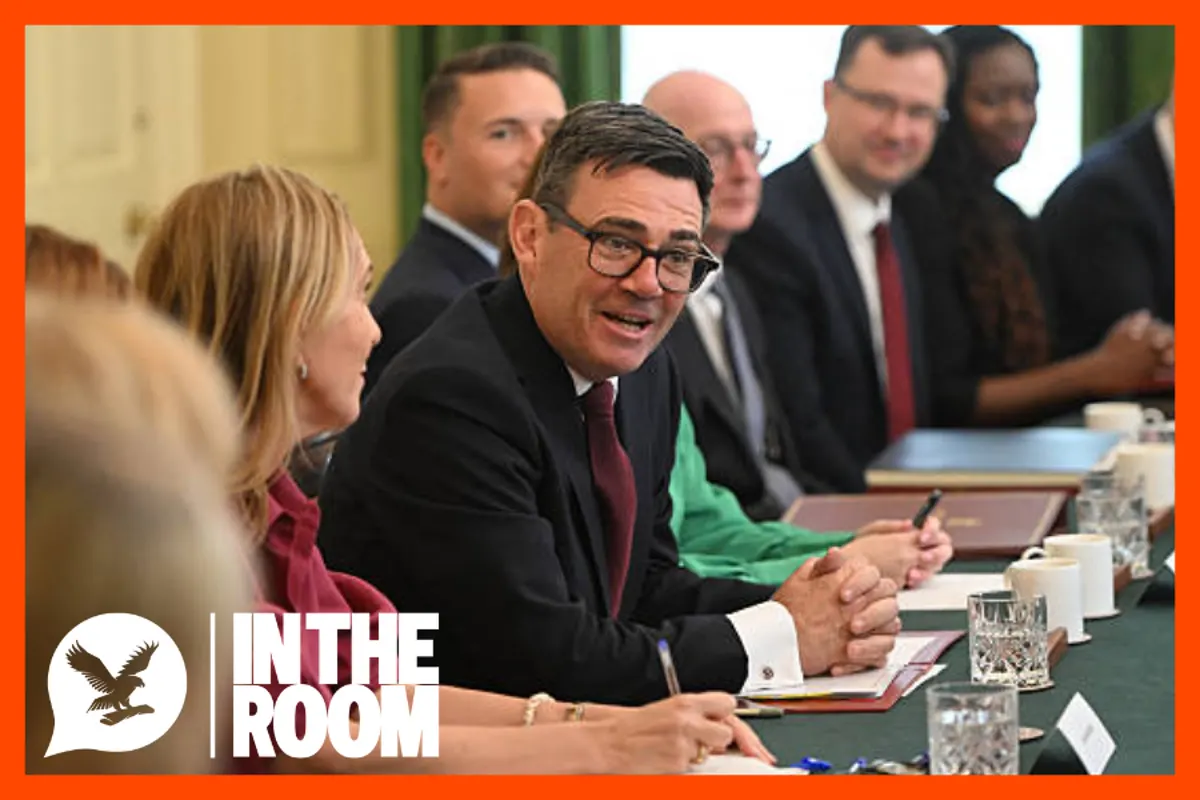
Jimmy McLoughlin, a former special adviser to Theresa May, has said Labour's lack of ministers with direct business experience is a genuine problem, echoing criticism made by Nigel Farage. Speaking on the "In The Room: Lessons From No.10" podcast, McLoughlin argued that while not every minister needs to have run a company, the government does need people who understand how businesses operate, and warned that commercial concerns risk being pushed down Labour's list of priorities.
McLoughlin noted that business secretary Jonathan Reynolds is a solicitor by training, and pointed to figures such as Poppy Gustafsson, former Darktrace co-founder who served as investment minister until September 2025, and James Timpson, ex-Timpson Group chief executive who was prisons minister from July 2024 until stepping down on 20 July, as examples of Labour trying to bring in outside business expertise. He also suggested Labour's lack of fixed views on business could work in its favour compared with the Conservatives, though he argued more entrepreneurs need persuading to enter politics in the first place.
In short
- Ex-No 10 adviser says Labour ministers lack business experience, agreeing partly with Farage
- Business secretary Jonathan Reynolds is a solicitor, not an entrepreneur
- Labour has brought in outsiders like Poppy Gustafsson and James Timpson to fill gaps
Steelman: both sides, in good faith
The strongest fair case each way — we don't pick a winner.
The case for
The argument that Labour lacks business experience touches on a real governance issue. When ministers shape policies affecting employment, investment, and commerce without having managed businesses themselves, those policies risk being well-intentioned but practically unworkable—missing how regulations cascade through organisations, how hiring decisions reflect multiple constraints, or how commercial concerns compete with other priorities. Government needs people who understand these realities from experience, not just theory, to prevent policies that sound good but create unintended consequences.
The case against
Government requires diverse expertise beyond business acumen; legal knowledge, economic training, public administration experience, and policy expertise are equally vital. A minister needn't have run a company to govern effectively—civil servants and advisers provide business perspective, and Labour has indeed recruited some entrepreneurs including Poppy Gustafsson and James Timpson. Moreover, government exists partly to represent workers and citizens alongside commercial interests; policies needn't be business-friendly to be sound, and prioritising diverse perspectives over purely entrepreneurial backgrounds may better serve that broader remit.
Explained simply
The UK government is run by ministers, who lead departments and make decisions on areas such as the economy, jobs and public services. The business secretary is responsible for government policy affecting companies, while other ministers may also make decisions that shape how firms operate.
Ministers come into politics from different backgrounds, including law, public service and business. Experience of running a company can offer insight into how employers manage costs, hire staff and respond to rules, though ministers also rely on advice from officials, businesses and other groups.
The debate matters because government decisions can affect businesses and the wider economy, including investment and employment. It also raises questions about how political parties attract people with commercial experience and balance business concerns with other priorities.
Geopolitics Government Politics