World news and discussion on TalkFuse.
Joe Rogan says US education system is turning young people against their own country
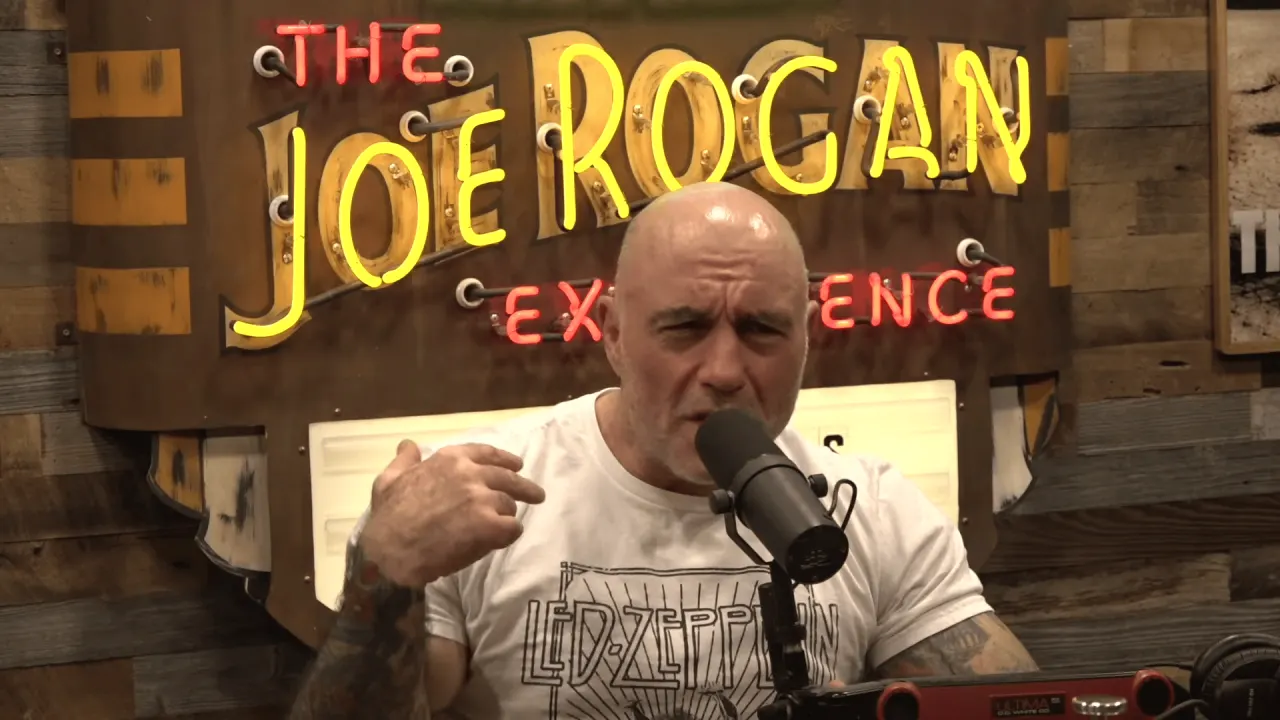
Joe Rogan argued that US schools and universities are teaching young people to view their country, capitalism and wealth as oppressive, rather than as part of a system that offers freedom and opportunity. In a prerecorded Thanksgiving eve conversation with retired Navy SEAL Jocko Willink, he said this could leave graduates disillusioned when society does not match what they have been taught.
Rogan described the US flag as a symbol of the American people and self-government, and praised stories of people rising from poverty to build successful businesses and contribute to their communities. He contrasted this with what he described as caste systems elsewhere, including India, and criticised the view that wealth must have been acquired unfairly. Former Republican National Committee spokesperson Elizabeth Pipko also criticised university teaching about capitalism and America; the article provides no evidence to assess how widespread these views are.
In short
- Rogan says universities foster negative views of America.
- He links the US identity to self-government and opportunity.
- The article gives no data on how common these views are.
Steelman: both sides, in good faith
The strongest fair case each way — we don't pick a winner.
The case for
Advocates of Rogan's position argue that education should equip young people with a sense of their country's achievements, institutions and opportunities, not only its failings. They contend that a civic education which dwells mainly on historical injustice and systemic critique can leave graduates cynical and unprepared for ordinary life, where many people succeed through work, enterprise and community involvement. On this view, a shared story of self-government and upward mobility is a basis for social cohesion, and young people deserve to be taught that the system they inherit is one they can improve, not one that is simply oppressive.
The case against
Critics of Rogan's position argue that teaching students to examine their country's history candidly, including slavery, segregation and the unequal distribution of wealth, is central to a democratic education rather than a betrayal of it. They hold that patriotism is strongest when it can withstand scrutiny, and that young people who learn to question economic and social arrangements are better equipped to take part in public life and to press for reform. From this perspective, the concern is less about whether schools are critical than about whether they encourage students to think for themselves and to weigh evidence, and that goal is served by openness rather than by a prescribed national narrative.
Explained simply
Joe Rogan is an American comedian and broadcaster whose podcast, The Joe Rogan Experience, is among the most widely listened to in the world. He often discusses politics, culture and society with guests, and his comments reach a large audience.
Debate over how American schools and universities teach the country's history, economics and institutions has continued for years. Some educators and parents want courses to examine issues such as slavery, inequality and the role of markets critically, while others worry that some teaching presents the nation's past and economic system too negatively. Supporters of both approaches say they are preparing students for citizenship.
Jocko Willink is a retired Navy SEAL and author who also hosts a podcast, and Elizabeth Pipko is a former spokesperson for the Republican National Committee, the party's national organisation. Their criticism is part of a wider argument about whether education should foster patriotism or encourage students to question national institutions. The debate matters because it shapes what young people learn about their country and, in turn, how they view work, wealth and government.