New releases, music videos and album news — indie, rap, rock and pop. Always covering Ren, Chris Webby, Sam Tompkins, bbno$, CHINCHILLA, Muse, Yungblud and more.
“Joe stayed up for three days drinking bottle after bottle of brandy, berating everyone around him for their weaknesses, and just really losing it”: Bust-ups, busking and the last days of The Clash
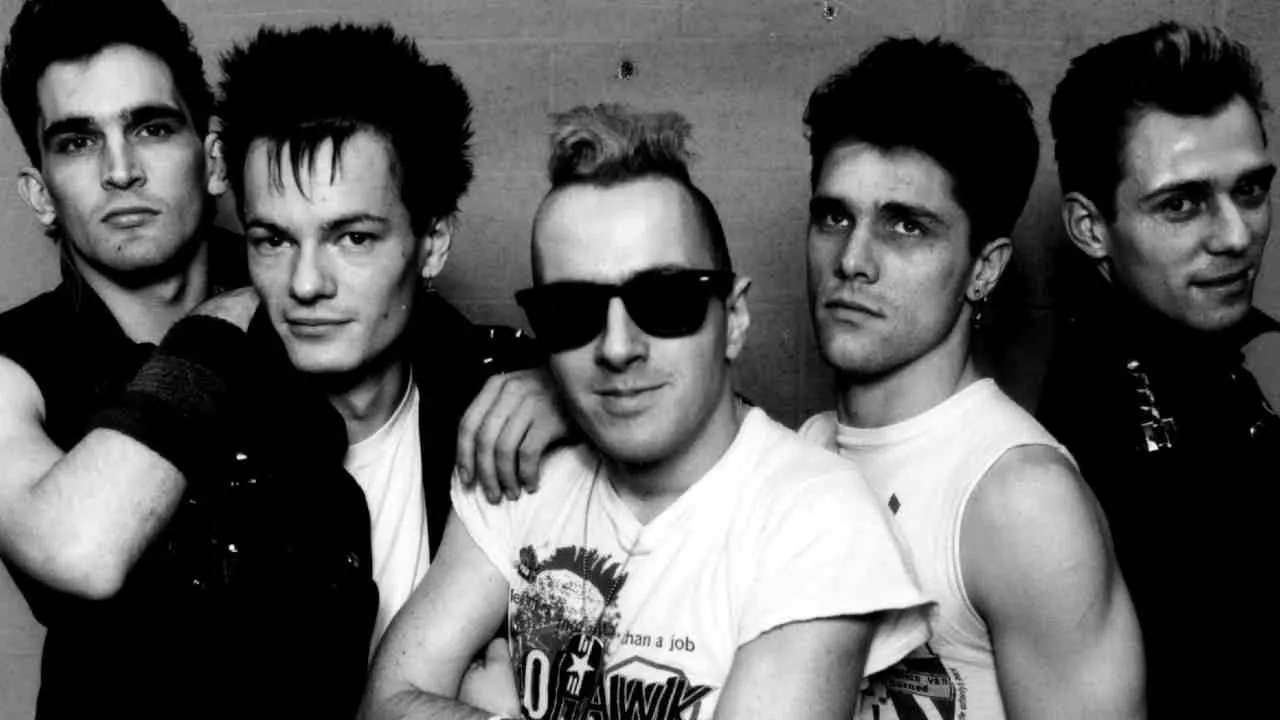
The article recounts the collapse of The Clash in the mid-1980s, following years of internal conflict and the departure of key members Mick Jones and Topper Headon. It matters because the band, widely regarded as one of Britain’s defining punk groups, ended not with a triumphant finale but with a troubled and unsuccessful final phase.
In September 1983, Joe Strummer and Paul Simonon announced that Jones was leaving, saying he had moved away from the group’s original purpose. The remaining version of the band recruited three unknown musicians, continued for roughly three more years and undertook a poorly judged busking tour before finally ending. Later accounts from former members described Strummer’s volatile behaviour and deep divisions within the group.
In short
- The Clash fractured after bitter internal divisions.
- Mick Jones was dismissed in 1983.
- The band ended after a troubled final three years.
Explained simply
The Clash were a London band formed in 1976, during the rise of punk. Their fast, politically aware songs and energetic live shows made them one of the best-known British groups of the era.
Joe Strummer was the singer and lyricist, Mick Jones played guitar and wrote many of the band’s songs, Paul Simonon played bass, and Topper Headon was the drummer. As their success grew, disagreements developed over the music, the band’s direction and the pressures of touring.
By the early 1980s, those tensions had led to major changes in the line-up. The group continued after losing important members, but the later version struggled to match the reputation and influence of the original band.