John Galliano Cancels Met Gala and Exhibit for 2027 Amid Backlash Over Past Racism: ‘I Remain Deeply Sorry’ to the ‘Jewish and Asian Communities’
Developed over time first seen 2 months ago
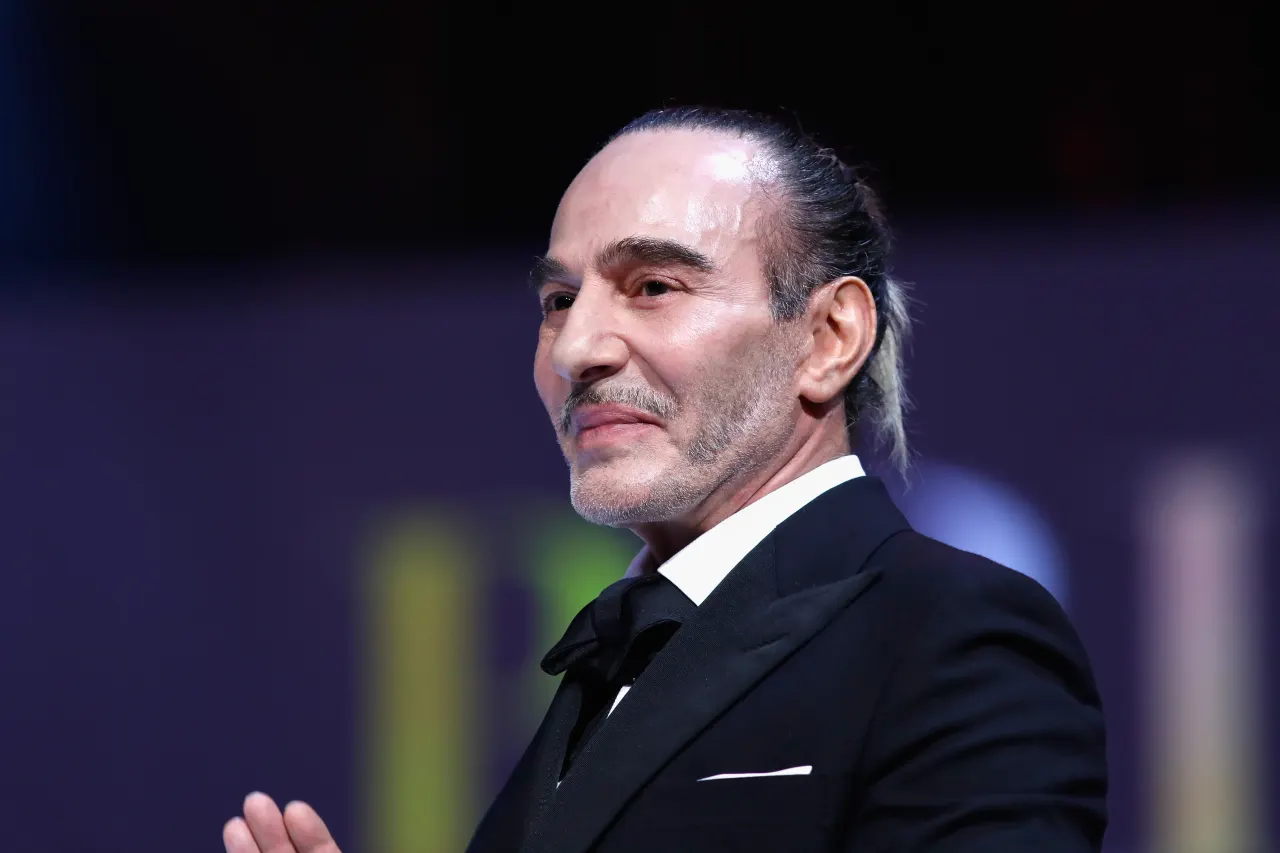
John Galliano has abandoned plans for a Metropolitan Museum of Art retrospective that would have formed the theme of the 2027 Met Gala, following criticism over his past racist and antisemitic conduct. The designer announced the decision on Instagram, days after The New York Times reported growing objections to the Met honouring him, saying he did not want the row to distract from the Costume Institute's work or place the museum in a difficult position. The Met, whose director Max Hollein confirmed the exhibition would not proceed, has not said how it will replace the show, leaving next year's gala without a theme and its date uncertain.
Galliano would have been only the third living designer given a Met retrospective, after Yves Saint Laurent in 1983 and Rei Kawakubo in 2017, with the exhibition due to run from 9 May 2027 to 9 January 2028. He was convicted of a hate crime by a French court in 2011 after berating a couple with antisemitic and anti-Asian abuse, a scandal that cost him his positions at Christian Dior and his own label. In his statement, he reaffirmed accountability for the "hurt I caused to the Jewish and Asian communities" and said true atonement required sustained conduct over time, not a single gesture, while thanking those who supported his fifteen years of recovery from alcoholism and addiction.
- Galliano scraps 2027 Met retrospective amid backlash over past racism
- 2027 Met Gala now has no confirmed theme or date
- He was convicted of a hate crime for 2011 antisemitic, anti-Asian abuse
New here? Start with this
John Galliano has cancelled a major retrospective of his fashion career that the Metropolitan Museum of Art had planned to stage in 2027, which was also going to be the theme of next year's Met Gala. Galliano was once one of fashion's most celebrated designers, working for houses including Christian Dior, before he was filmed in 2010 making antisemitic and anti-Asian remarks and was later convicted of a hate crime in France. He lost his jobs as a result, though he later returned to the industry, most recently at Maison Margiela.
The exhibition would have marked a significant moment, making Galliano only the third living designer given a solo Met show, and had been framed as a way of confronting that past directly. Once reports emerged of the plan, criticism grew over whether it was appropriate to honour him in this way, prompting Galliano to withdraw the project himself and the Met's director to confirm it would not proceed.
The story matters because it touches on questions of accountability and rehabilitation in the fashion world, the influence of the Met and its Costume Institute in shaping cultural conversations, and the future of the Met Gala itself, which now has no confirmed theme for 2027.
Both sides, in good faith
The strongest fair case each way — we don't pick a winner.
The case for
Those who felt uneasy about the retrospective would argue that some acts, particularly antisemitic and racist abuse delivered publicly and later prosecuted as a hate crime, warrant more than a design career's worth of technical brilliance to outweigh; institutions like the Met carry weight when they choose whom to honour, and granting Galliano only the third living-designer retrospective risked appearing to launder or minimise the harm caused to Jewish and Asian communities, however genuine his subsequent apologies. They would say that platforms and honours are earned privileges, not entitlements, and that withdrawing one is a reasonable, proportionate response to renewed public concern rather than an act of censorship.
The case against
Those who supported the exhibition proceeding would argue that Galliano spent well over a decade in genuine, visible atonement, seeking treatment, apologising repeatedly and specifically, and rebuilding a respected career at Maison Margiela, and that a retrospective explicitly designed to confront the 'rupture' in his history was a serious, curated reckoning rather than a whitewash. They would hold that redemption should be achievable, that art and its makers can be examined without being endorsed uncritically, and that cancelling the show under pressure denies both the designer and the public a considered public conversation about accountability and forgiveness, while penalising the many Costume Institute staff whose work was also lost.
Full account
The Metropolitan Museum of Art has scrapped plans for a major retrospective of designer John Galliano, which had been due to run from May 2027 to January 2028 and to serve as the theme of next year's Met Gala. The decision follows weeks of criticism over the museum's choice to honour Galliano despite his history of antisemitic and anti-Asian remarks, and was confirmed in statements from both the designer and the institution.
Galliano was convicted of a hate crime by a French court in 2011 after he was recorded making antisemitic and anti-Asian insults towards a couple at a Paris café in February of that year. The fallout cost him his positions at Christian Dior and at his own eponymous label. Had it gone ahead, the Costume Institute exhibition would have made him only the third living designer honoured by the Met, after Yves Saint Laurent in 1983 and Rei Kawakubo in 2017, and had reportedly been framed around addressing the damage caused by his 2010-11 conduct rather than simply celebrating his work.
In his own statement, posted on Instagram, Galliano said he had decided 'with great sadness' that the exhibition should not proceed 'at this time', while stressing that he remained accountable for the hurt his past words had caused, 'particularly' to Jewish and Asian communities. He said genuine atonement could not be achieved through an exhibition or institutional recognition but was an ongoing responsibility shown through conduct over time, adding that he did not want the controversy to overshadow the Costume Institute or put the museum in an awkward position. He also spoke of fifteen years of sobriety and recovery from addiction, thanking those who had supported him. The Met's director, Max Hollein, said in a separate statement that the decision not to proceed had been reached jointly with Galliano after further discussion.
The reversal came amid mounting pressure that had built after reporting on internal disquiet at the museum, and shortly before the Met's board of trustees was reportedly due to discuss the exhibition's future; trustees had also been weighing whether to move the gala away from its usual early-May date so as not to clash with Holocaust Remembrance Day. New York City Council Speaker Julie Menin, who had written to the museum urging it not to honour Galliano, welcomed the outcome as the 'correct decision', describing the original plan as painful for the Jewish community at a time of heightened antisemitism. The Anti-Defamation League's chief executive, Jonathan Greenblatt, similarly called the original honour 'the wrong move at the wrong moment'. With no replacement announced, the Met Gala currently has no confirmed theme for 2027, and it remains unclear whether the event's traditional date will be affected.
Where outlets differ
One report frames the cancellation mainly as Galliano's own considered choice, foregrounding his lengthy personal Instagram statement, his recovery from addiction, and logistical details about the exhibition dates and the Gala's uncertain future theme; the other frames it more as a response to organised pressure, describing a 'joint statement', noting the withdrawal came just before a scheduled board of trustees meeting, and giving much more weight to outside advocacy — Council Speaker Julie Menin's letter-writing campaign and the ADL's public criticism — as well as the potential scheduling clash with Holocaust Remembrance Day, none of which feature in the other account.
Only one source details the specific 2011 incident (the altercation with a French couple) and Galliano's dismissal from Dior and his own label; the other assumes this background is already known and focuses instead on the political reaction.
The two accounts differ slightly on how the decision was communicated: one presents it as Galliano's individual statement with the Met's director commenting separately to a trade outlet, while the other describes it explicitly as a joint statement issued by Galliano and the museum together.
More coverage
- Deadline — John Galliano Pulls Out Of Met Gala Exhibit Amid Backlash
- Variety — The Met’s Cancellation of the John Galliano Exhibit Doesn’t Undo the Damage