John Healey poised to raise taxes on banks in budget
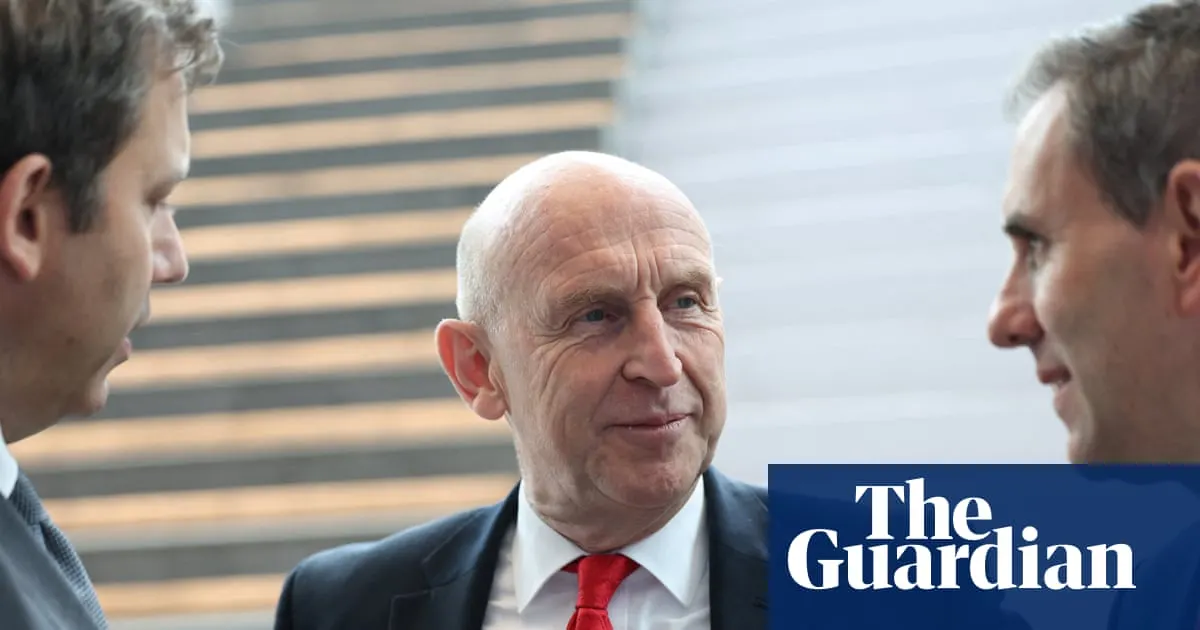
John Healey is expected to raise taxes on Britain’s banks in his 28 October budget, seeking revenue to help keep deficit-reduction plans on track as borrowing costs rise amid the Middle East war. The move would reverse an earlier cut to the bank surcharge, though the final decision has not been announced.
The surcharge is reportedly likely to return to 8%, from 3%, which the Trades Union Congress estimates would raise £2.25bn a year. Britain’s four largest banks made £200bn in pre-tax profits over five years, while banks and lobby groups warn higher taxes could weaken investment and prompt firms to move staff and business abroad. Healey has also heard calls to raise the £100m profit threshold for the surcharge to £500m.
- Healey is expected to restore the bank surcharge to 8%.
- The change could raise about £2.25bn a year.
- Banks warn higher taxes could affect UK investment.
Both sides, in good faith
The strongest fair case each way — we don't pick a winner.
The case for
Supporters could argue that banks can contribute more at a time when public borrowing costs are rising and the government is trying to meet its deficit plans. The largest banks have recorded substantial profits, and raising the surcharge could provide revenue for public services or fiscal stability while asking a profitable sector to bear a greater share of the burden.
The case against
Opponents could argue that raising the surcharge risks making Britain less attractive for investment and could lead banks to shift staff or business overseas, weakening jobs and future tax revenues. They may also say that a higher threshold would better target the levy at the biggest banks, while a broad increase could burden firms whose profits and capacity to absorb the cost vary.