John Healey warns supermarkets not to ‘rip off’ Britons as Iran war fuels cost of living crisis
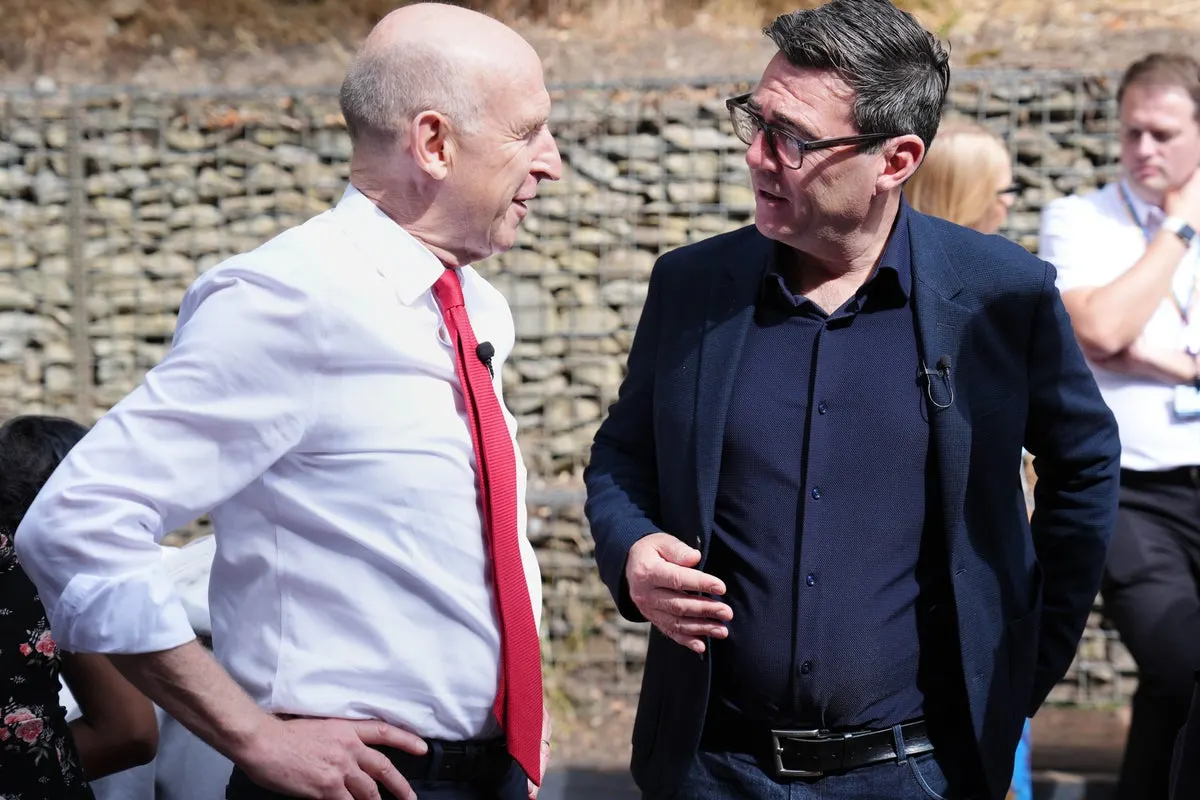
Amid disruption from the Iran conflict pushing global prices upward, Chancellor John Healey has cautioned retailers against exploiting consumers through excessive markups at the pump and supermarket. He has pledged close monitoring and indicated willingness to deploy regulatory enforcement if unfair pricing emerges, whilst noting that cooperation from large companies has so far been adequate with no substantial evidence of gouging yet detected. Healey conceded that government intervention cannot fully shield families and businesses from international economic shocks of this magnitude.
Prime Minister Andy Burnham has initiated a series of cost-relief measures in his opening fortnight, including VAT reductions on energy bills and a £2 bus fare cap extending through 2027, alongside consideration of rail price reforms. The government's fiscal position, however, remains constrained; rather than allocate new funds, Healey has instructed departments to redirect existing budgets away from programmes deemed lower priority, emphasising that the upcoming October budget will operate within strict spending discipline. This approach reflects an attempt to deliver consumer support whilst maintaining budgetary control.
- Chancellor Healey warns supermarkets and petrol stations against price gouging as Iran tensions drive up consumer costs, with regulators standing ready to intervene
- Government offers targeted relief through VAT cuts on energy and frozen bus fares but operates under strict fiscal constraints with no new spending allocated
- October 28 budget to prioritise reallocation of existing departmental funds rather than new investment
Both sides, in good faith
The strongest fair case each way — we don't pick a winner.
The case for
Supporters see this as government doing exactly what it should during an external shock: shielding ordinary families and small businesses from opportunistic pricing they did nothing to cause, while stopping short of outright controls unless evidence demands it. They would argue that pairing this vigilance with tangible relief, energy VAT cuts, a capped bus fare and openness to rail reform, shows a government using the tools it has to ease hardship. Crucially, funding this through reallocated budgets rather than fresh borrowing reflects fiscal responsibility, protecting the public finances while still acting on cost-of-living pressures.
The case against
Sceptics would counter that public warnings about firms 'ripping off' Britons amount to political theatre that does little to address the real driver of higher prices, global oil markets disrupted by the Iran conflict, and risks unfairly implying businesses are the villains when the Chancellor himself admits no evidence of gouging exists. They would also question whether reallocating money from other programmes to fund giveaways like the bus fare cap is genuinely prudent, or whether it simply shifts the burden onto whichever services are deemed lower priority, deferring hard choices rather than making them transparently in the October budget. For those wary of intervention, the state's proper role is to maintain stable conditions for markets to adjust, not to pressure retailers or reshuffle spending reactively.