John Healey’s plan for a ‘Robin Hood’ Budget may not be as risk-free as he thinks
Developing story first seen 8 hours ago
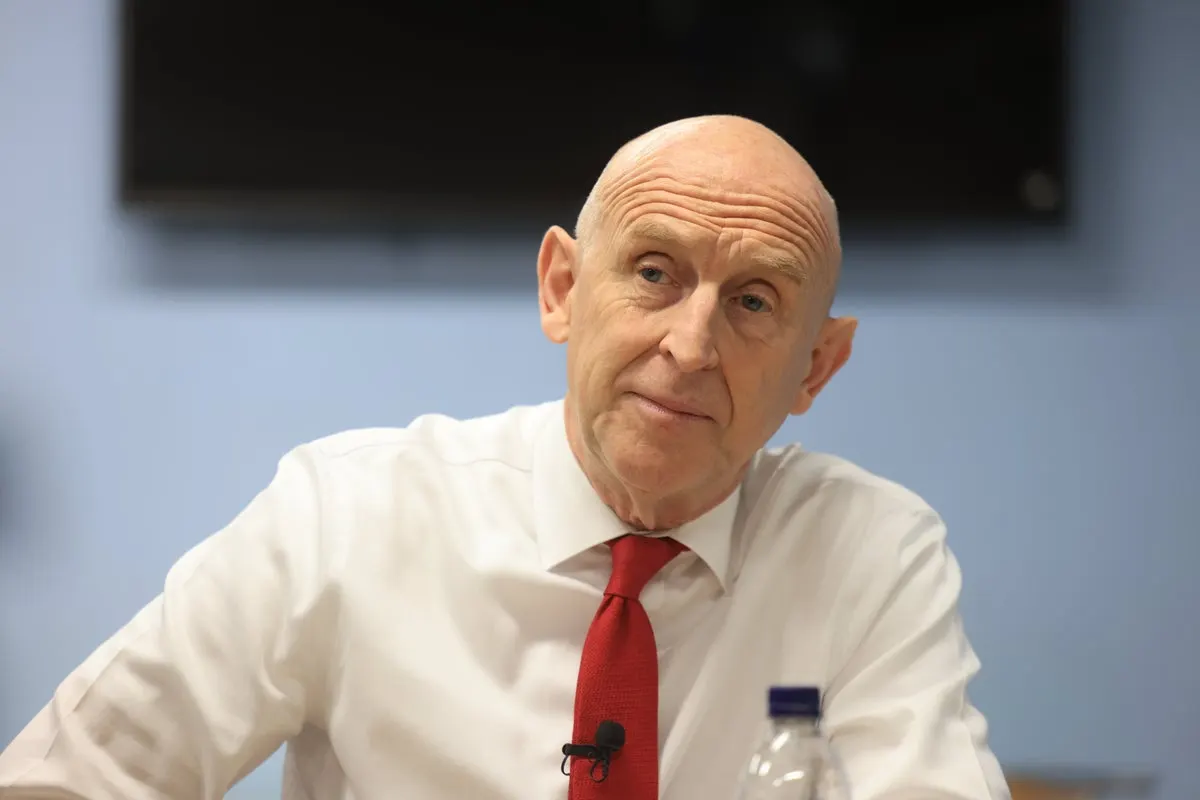
The article argues that John Healey’s supposedly cautious Budget could include a sharp increase in taxes on banks, helping fund measures such as removing VAT from energy bills and keeping bus fares capped at £2. The proposal is presented as politically attractive, but the article warns that higher taxes could prompt banks to move business overseas and weaken a major part of the UK economy.
Banks have made about £200bn in profits over five years, and Labour is considering raising the bank surcharge from 3 per cent to around 8 per cent, on top of 25 per cent corporation tax. Banking contributed £223.6bn, or about 8 per cent, of UK economic output in 2025. The article says some international institutions are considering relocation over the UK’s tax environment, although it notes that the scale of this threat may be overstated.
- Sources
- 2
- Outlets
- 2
- Left · Centre · Right
- 1 · 0 · 1
In short
- Healey may raise the bank surcharge from 3 per cent to around 8 per cent.
- Banking accounted for about 8 per cent of UK output in 2025.
- The article warns higher taxes could encourage banks to relocate.
How this story developed
- 2 hours ago The article argues that John Healey’s supposedly cautious Budget could include a sharp increase in taxes on banks, helping fund measures such as removing VAT from energy bills and keeping bus fares capped at £2.
Where outlets differ
Left-leaning outlets 1
Only here: plan, robin, hood, risk, free
Right-leaning outlets 1
Only here: daily, mail, comment, unveils, prospect
Every side used: john, healey, budget
Headline columns compared word for word; nothing in them is AI-written.
Steelman: both sides, in good faith
The strongest fair case each way — we don't pick a winner.
The case for
Banks have earned substantial profits, so asking them to contribute more could be a fair way to fund measures that ease household costs, such as removing VAT from energy bills and keeping bus fares capped. If the tax is carefully calibrated, it could raise revenue while ensuring a highly profitable sector shares more of the burden without seriously affecting its UK activity.
The case against
Banking is a major contributor to UK output, and a sharp surcharge increase on top of corporation tax could make the UK less attractive for investment and international business. Even if relocation warnings are overstated, some movement of activity could weaken the sector and erode the tax revenues the policy is meant to raise, making the promised funding less secure.
Explained simply
A Budget is the government’s plan for taxes and spending. John Healey is a Labour politician, and proposals to tax banks more could help pay for measures such as lower household energy costs or capped bus fares.
UK banks pay corporation tax on profits, plus a separate bank surcharge. The surcharge is currently 3 per cent; raising it would increase the sector’s tax bill. Banking is a substantial part of the UK economy, so changes to its taxes can affect both public finances and decisions about where banks do business.
The issue matters because governments weigh the revenue from higher taxes against possible effects on investment, jobs and economic activity. Some international banks have considered moving business elsewhere, though the extent of that risk is disputed.
Coverage · 2 sources
Bias meters
From 2 rated sources.