John Healey’s tax raid on banks ‘will raise the cost of mortgages’
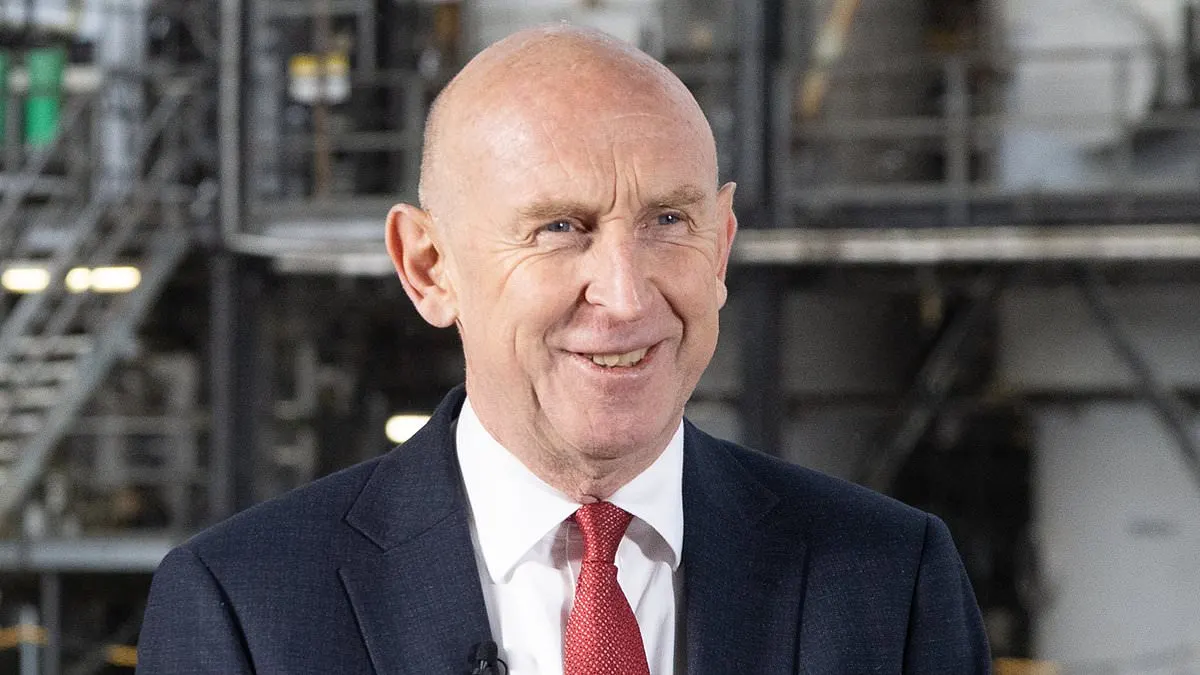
Labour is reportedly planning to raise taxes on major banks in Wednesday’s Budget, with Chancellor John Healey expected to argue that the banks’ strong profits justify the move. The Conservatives say the tax rise could push up mortgage rates and hurt homeowners and businesses, while business figures have urged the Government to avoid further taxes on companies.
Shadow Chancellor Andrew Griffith said banks might raise mortgage rates to offset the extra tax, though the article provides no estimate of any increase. Iceland boss and Labour peer Richard Walker said businesses already face difficult and costly conditions; Treasury entrepreneurship tsar Alex Depledge is also leaving this week, after criticising the Government for treating entrepreneurs as a sideshow to established industries.
In short
- Labour is expected to raise taxes on major banks in Wednesday’s Budget.
- Conservatives warn the move could increase mortgage rates.
- Business figures criticise the approach to taxing and supporting companies.
Steelman: both sides, in good faith
The strongest fair case each way — we don't pick a winner.
The case for
Supporters could argue that major banks’ strong profits give them room to contribute more to public finances, helping fund public services or ease pressure elsewhere. A targeted rise may be justified if it asks a profitable sector to bear a greater share of the costs, while the effect on mortgage rates remains uncertain.
The case against
Critics could argue that taxing banks further may lead them to pass some costs on through higher mortgage rates, affecting homeowners and businesses, even if the size of any increase is unknown. They may also see another tax on companies as ill-timed when businesses already face difficult conditions, and as a risk to investment and entrepreneurship.
Explained simply
Banks take deposits, provide loans and arrange mortgages, and their profits can be affected by both interest rates and the wider economy. The Chancellor, John Healey, is responsible for the Government’s tax and spending plans, while Andrew Griffith speaks for the Conservatives on economic policy.
A tax on banks could affect their costs, but whether it would lead them to change mortgage rates depends on how they respond and on competition in the market. Businesses also depend on banks for borrowing, so the debate concerns the possible effects of higher taxes on customers and companies, as well as the Government’s revenue.