John Swinney has no confidence in UK defence… but refuses to believe an independent Scotland would be even less secure
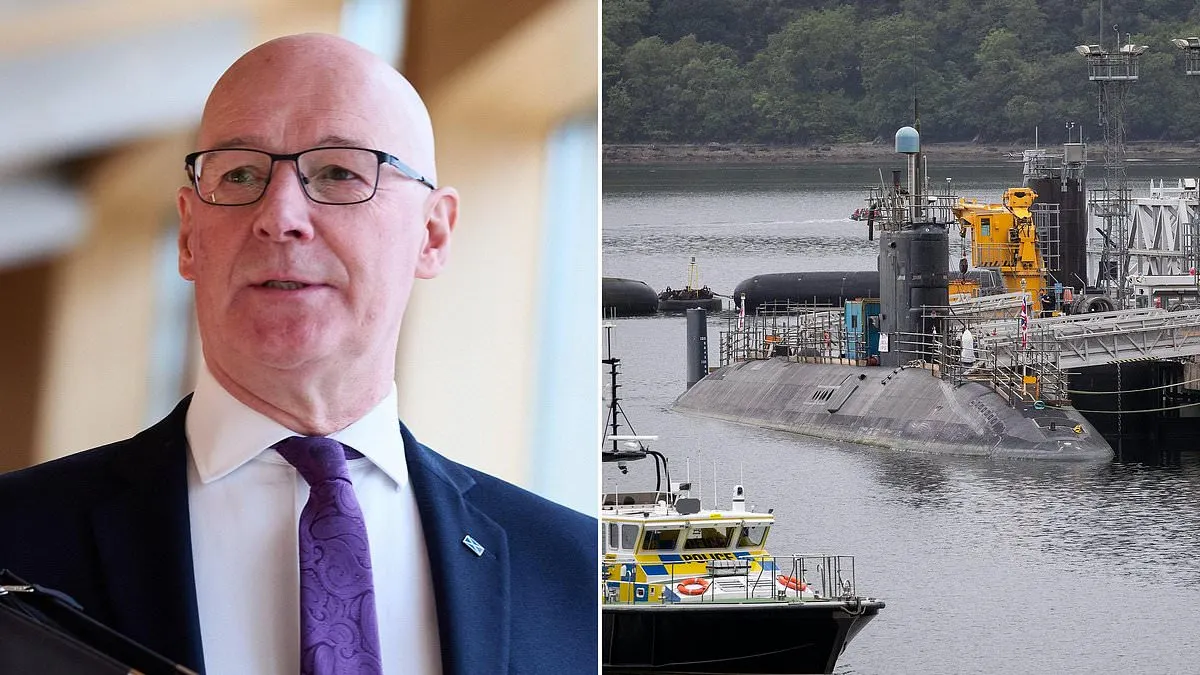
John Swinney said he lacks confidence that the UK’s current defences can protect the country from potential Russian threats, citing insufficient coastal and offshore protection around Scotland. His remarks put defence and security at the centre of debate over Scottish independence, which the SNP supports and which would involve removing the UK’s Trident nuclear weapons from Faslane.
Swinney said independence would give Scotland “more choices” and denied it would leave the country less secure, though he did not set out how its defence would work. He also backed the possibility of another EU referendum, arguing that if the UK’s relationship with the EU could be reconsidered, Scottish independence could be revisited too. SNP Westminster leader Dave Doogan said he had a comprehensive overview of an independent Scotland’s defence arrangements, but did not disclose the details.
- Swinney questioned whether UK defences adequately protect Scotland’s coast.
- He said independence would not make Scotland less secure.
- The SNP has not disclosed its detailed defence plans.
New here? Start with this
Scotland is part of the United Kingdom, whose armed forces and defence policy cover the whole country. The UK also keeps its Trident nuclear weapons at the naval base at Faslane, near Glasgow.
The Scottish National Party supports independence, which would mean Scotland leaving the UK and deciding how to provide for its own defence. That would raise questions about military forces, alliances and the future of the base at Faslane.
Defence matters in the independence debate because people may weigh the prospect of greater control over decisions against how well a separate Scotland could protect itself. Scotland’s future relationship with the EU is another part of the wider discussion about its political choices.
Both sides, in good faith
The strongest fair case each way — we don't pick a winner.
The case for
An independent Scotland could set its own defence priorities around its geography and security needs, rather than relying on UK decisions that Swinney says leave Scottish waters inadequately protected. Supporters may argue that removing Trident would reflect a different security policy, while Scotland could choose new partnerships and arrangements suited to its interests; they see the lack of public detail as a gap to be addressed, not proof that security could not be maintained.
The case against
Leaving the UK would mean replacing established UK-wide defence structures and deciding how to provide capabilities, intelligence and international partnerships, while the precise plan remains undisclosed. Critics may argue that removing Trident and relying on arrangements not yet set out could create uncertainty or reduce deterrence, and that the reported shortcomings in current coastal protection do not by themselves show that independence would make Scotland safer.