Swinney presses ahead with consultation on essential food price cap
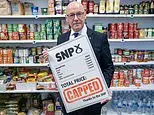
The Scottish Government has launched a public consultation on its proposed cap on the price of essential food items, such as bread, milk and eggs, despite acknowledging the policy could lead to shortages and other unintended consequences. First Minister John Swinney remains "convinced" the plan is sound and insists it could still be implemented by the end of the year, even though the consultation itself runs until 24 November and fails to specify which products would be covered or what the cap would actually be. Industry figures and opposition politicians have criticised the move, branding it a "bonkers 1970s-style" gimmick that risks damaging supply chains without addressing underlying inflation.
The consultation, quietly launched by junior minister Tom Arthur, would apply mandatory price ceilings on 20 to 50 essential items and cover businesses with turnover above £250 million, more than 250 staff, and over half their revenue from groceries. It confirms that if a capped product runs out, retailers would need to substitute it with another item at or below the cap. Critics, including the Scottish Retail Consortium's Ewan MacDonald-Russell and the Food and Drink Federation Scotland's David Thomson, say five months on from the policy's announcement, ministers still cannot answer basic questions about how it would work, while Reform UK's Kim Schmulian has called on Swinney to publish legal advice reportedly warning the plan may be unlawful.
In short
- SNP presses ahead with food price cap despite shortage warnings
- Consultation lacks detail on covered products or cap levels
- Industry and opposition brand policy unworkable and possibly unlawful
Steelman: both sides, in good faith
The strongest fair case each way — we don't pick a winner.
The case for
A cap on a defined basket of essential foods could offer households more predictable prices for basic groceries, particularly when budgets are under pressure. Supporters may argue that requiring large retailers to keep some staples affordable is a targeted way to protect consumers, and that consultation can identify workable rules and safeguards before implementation.
The case against
Mandatory price ceilings could make it harder for retailers and suppliers to cover costs, potentially discouraging supply or reducing the availability and choice of capped goods. Critics may also argue that unclear product definitions and pricing rules make the proposal difficult to assess or implement, while a cap could address visible prices without tackling the causes of food inflation.
Explained simply
Food price caps limit how much retailers can charge for selected goods. Governments may use them to try to make essentials more affordable, but setting a ceiling can affect how much shops order and what suppliers are paid.
Scotland’s First Minister John Swinney leads the Scottish Government, which is consulting on a possible cap for some essential groceries. The proposal would apply to large grocery businesses, while retailers would have to offer a substitute at or below the cap if a capped item ran out.
The plan matters because it could affect household food costs as well as retailers, suppliers and the availability of products. The consultation is intended to gather views on how the policy might work and on possible effects such as shortages.
Culture Fashion Food Government Politics World
Read the full article at the source →
Originally published by Daily Mail as “John Swinney refuses to scrap ‘bonkers 1970s-style’ food price cap despite risk of shortages”.