Politics news and discussion on TalkFuse.
Johnson scores commanding victory in fight to ram SAVE America Act through Democrat opposition
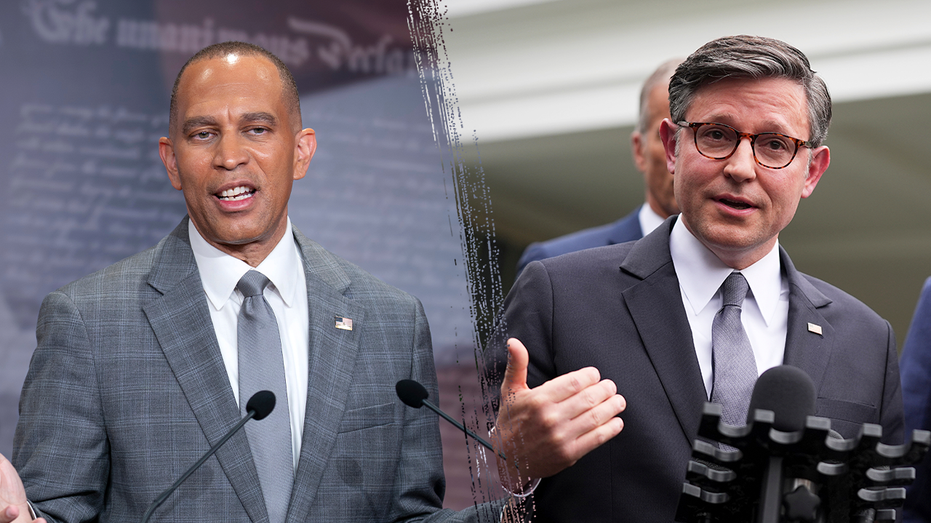
Speaker Mike Johnson secured a key procedural victory in the US House of Representatives on Tuesday, advancing the SAVE Act, an election integrity bill backed by President Donald Trump, despite opposition from Democrats. The vote is significant because it clears a major hurdle for legislation that would require proof of citizenship and voter identification, a measure Republicans say protects election integrity but which Democrats argue is designed to suppress voting rights.
The bill's proponents, including senior Trump administration officials who lobbied Republicans behind closed doors, frame it as necessary to prevent non-citizens from registering to vote, pointing to recent cases such as New Jersey's removal of thousands of people from its voter rolls. Democrats have strongly contested this rationale, characterising the legislation as a barrier to legitimate voters. The vote clears the way for further debate as the bill moves through the House.
In short
- Johnson wins key House vote advancing Trump-backed SAVE Act
- Bill would require voter ID and proof of citizenship
- Democrats call it suppression; Republicans cite election integrity
Steelman: both sides, in good faith
The strongest fair case each way — we don't pick a winner.
The case for
Supporters argue that verifying citizenship is a fundamental electoral safeguard necessary to prevent non-citizens from registering and diluting legitimate votes. They point to documented cases such as New Jersey's recent removal of thousands of ineligible voters, contending that citizenship requirements are reasonable verification measures used by many democracies. From their perspective, protecting election integrity through such safeguards actually strengthens voting rights by preserving the legitimacy of the electoral process itself.
The case against
Opponents contend that citizenship verification requirements create unnecessary barriers that suppress voting among eligible citizens who lack required documentation, particularly amongst lower-income and minority populations where obtaining such documents involves genuine time and expense. They emphasise that documented in-person voter fraud is extremely rare and that such measures address a minimal problem whilst risking the disenfranchisement of millions of legitimate voters. Critics argue that the solution poses a greater threat to democratic participation than the alleged problem it purports to solve.
Explained simply
The SAVE Act is proposed American legislation that would require voters to show proof they are citizens when registering to vote. Republicans say this prevents non-citizens from voting illegally, whilst Democrats argue it makes voting harder for legitimate citizens who may lack such documentation.
The bill emerged following cases where election officials removed people from voter rolls, including thousands in New Jersey. The disagreement between Republicans and Democrats reflects competing concerns: whether such measures protect election integrity or whether they unfairly prevent eligible voters from voting.
Speaker Mike Johnson, who leads the US House of Representatives, has moved the bill forward, supported by President Trump's administration. Despite strong Democratic opposition, the bill now advances to further debate.
Elections Government Politics World