Culture news and discussion on TalkFuse.
Johnson scores major win as House GOP advances Trump’s top election priority
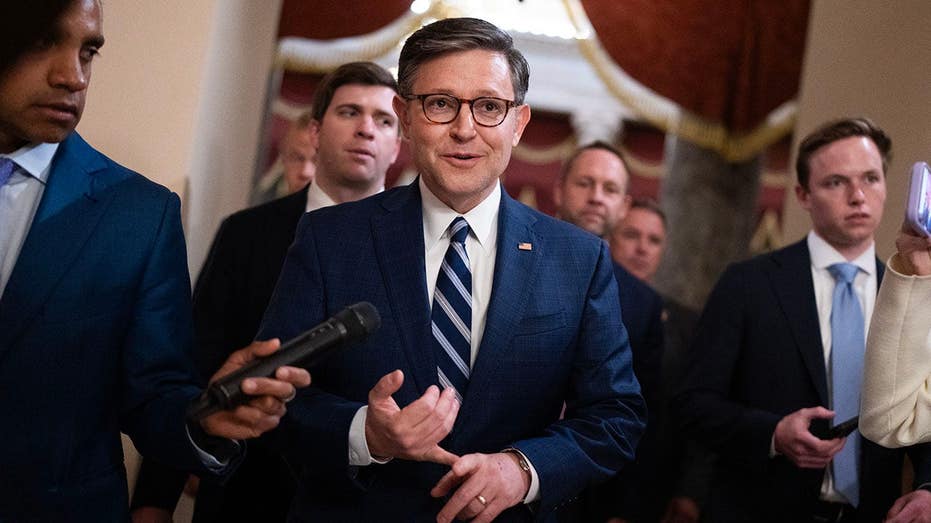
Speaker Mike Johnson secured a significant procedural victory in the US House of Representatives on Wednesday, advancing a Trump-backed election integrity measure despite Democratic opposition and internal Republican resistance. The move combines the SAVE Act, which would require proof of citizenship for voter registration, with a proposed ban on congressional stock trading, and represents one of Donald Trump's top legislative priorities on elections.
Johnson had to quell a rebellion within his own party to bring the fused bill to a vote, ultimately succeeding in pushing it through the House. Dozens of House Democrats rejected the measure, reflecting continued partisan division over voter identification requirements, though the article does not detail the final vote tally or the bill's next steps in the Senate.
In short
- House GOP advances Trump-backed SAVE Act voter ID bill
- Johnson overcame a Republican rebellion to pass it
- Bill combines voter ID rules with a congressional stock trading ban
Steelman: both sides, in good faith
The strongest fair case each way — we don't pick a winner.
The case for
Citizenship verification for voting reflects a fundamental principle that voting is a right reserved for citizens alone, and requiring proof of citizenship represents a reasonable safeguard for electoral integrity. Proponents argue the safeguard protects election legitimacy without preventing lawful citizens from voting, provided implementation includes fair and accessible documentation pathways. Ensuring only citizens participate in elections reinforces the integrity of representative democracy.
The case against
Critics argue that citizenship is already verified through existing voter registration processes, and that the SAVE Act creates unnecessary documentation burdens falling disproportionately on minorities, elderly citizens, and those without ready access to required identification. They contend that non-citizen voting is vanishingly rare in practice, making this a solution in search of a problem. The practical effect, they argue, is to suppress participation amongst legitimate voters rather than to meaningfully enhance election security.
Explained simply
American politics has become deeply divided over election integrity measures in recent years, particularly regarding requirements that voters prove their citizenship. Republicans have pushed for stricter voter identification rules, whilst Democrats argue such requirements could prevent eligible Americans from registering to vote. This dispute has intensified sharply following the 2020 presidential election.
The SAVE Act would require citizens to prove their identity when registering to vote and has become a priority for Donald Trump. Mike Johnson, the Speaker of the House, has combined this measure with a separate proposal banning members of Congress from trading stocks as a strategy to advance Trump's legislative goals.
The bill reflects fundamental disagreements between Republicans and Democrats over how best to run elections. Republicans believe stricter voter verification protects against fraud, whilst Democrats maintain that such requirements create barriers to voting for eligible citizens. This legislation represents one of Trump's top stated priorities for Congress.
Art Culture Elections Politics World