Sport news and discussion on TalkFuse.
Jonathan Flora: The WNBA has a courage problem and it’s not Sophie Cunningham
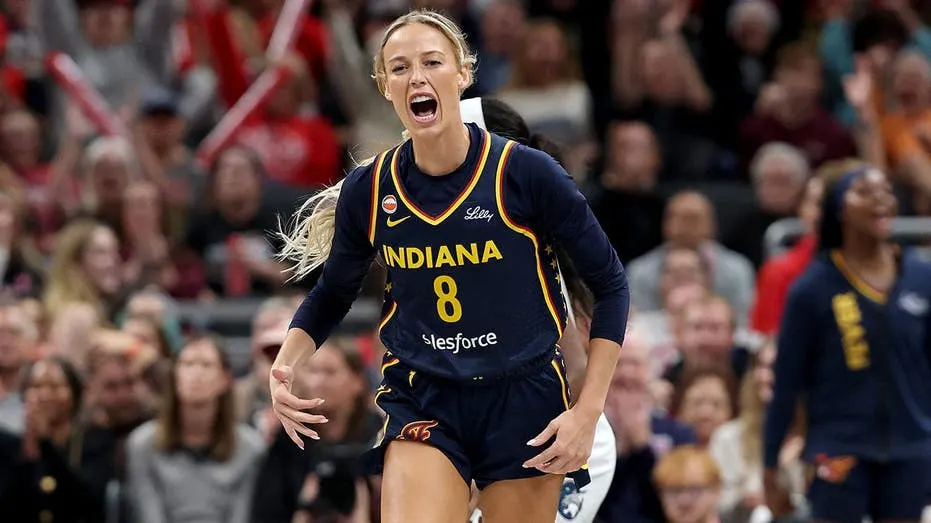
The WNBA faces scrutiny over its failure to define eligibility criteria for players, particularly regarding transgender participation. Commissioner Cathy Engelbert has confirmed the league is discussing transgender-player eligibility rules, a conversation the columnist argues is overdue. The issue has moved from theoretical debate to practical necessity, prompted by former NBA players expressing intent to enter the WNBA Draft and the existence of transgender women already playing professional basketball overseas. The columnist argues the league's collective bargaining agreement states only "women" can play, yet provides no definition of womanhood, creating a legal and administrative vacuum.
The article highlights a specific incident involving Indiana Fever coach Stephanie White's defence of player DiJonai Carrington following a flagrant foul against Sophie Cunningham, appearing to contradict her later claim of not having witnessed the play. The columnist contends the WNBA has created its own problems by embracing political and cultural causes beyond basketball for years, then attempting to blame external forces for attempting to "hijack" women's basketball. The core argument is that the league requires clear, written eligibility standards—whether based on biological sex, gender identity, hormone levels or medical transition—applied consistently, rather than issuing statements.
In short
- WNBA lacks written definition of "woman" despite eligibility rules using the term
- Commissioner confirms league discussing transgender-player eligibility policies
- Columnist argues WNBA invited political discourse into sports, now blames outside forces
Steelman: both sides, in good faith
The strongest fair case each way — we don't pick a winner.
The case for
The WNBA has a governance problem demanding resolution: its collective bargaining agreement authorises only "women" to play whilst providing no legal definition of womanhood, creating administrative and legal exposure. Whether based on biological sex, hormone levels, medical transition, or another standard, the league must establish clear, written, consistently-applied eligibility criteria rather than responding to events with reactive statements. The vagueness itself—regardless of which rule is chosen—undermines both fairness to players and the league's credibility.
The case against
The league should resist pressure to create rigid eligibility rules that could exclude transgender athletes and overshadow its actual purpose: excellent women's basketball. Existing international sports governance frameworks and medical guidelines may provide sufficient guidance without requiring the WNBA to become a flashpoint in cultural debates. Rather than rush to formalise potentially contentious rules, the league might better serve its athletes and sport by consulting medical professionals, engaging all stakeholders thoughtfully, and focusing public attention back on the game itself.
Explained simply
The WNBA is the top professional basketball league for women in the United States. Its teams and players are covered by a collective bargaining agreement, negotiated by the league and the players’ union, which sets the terms of employment and says who is eligible to play.
The league is discussing rules for transgender players, but its agreement does not define who counts as a woman for eligibility purposes. That leaves the league needing to decide what standard to use and how it would apply, as the question arises in professional basketball in the United States and abroad.
The debate has also been drawn into arguments about the league’s public positions and its handling of incidents on court. Indiana Fever coach Stephanie White’s comments about a foul involving DiJonai Carrington and Sophie Cunningham are part of that discussion.