JONATHAN TURLEY: Abdul El-Sayed’s wealth-tax fantasy could wreck the Michigan economy
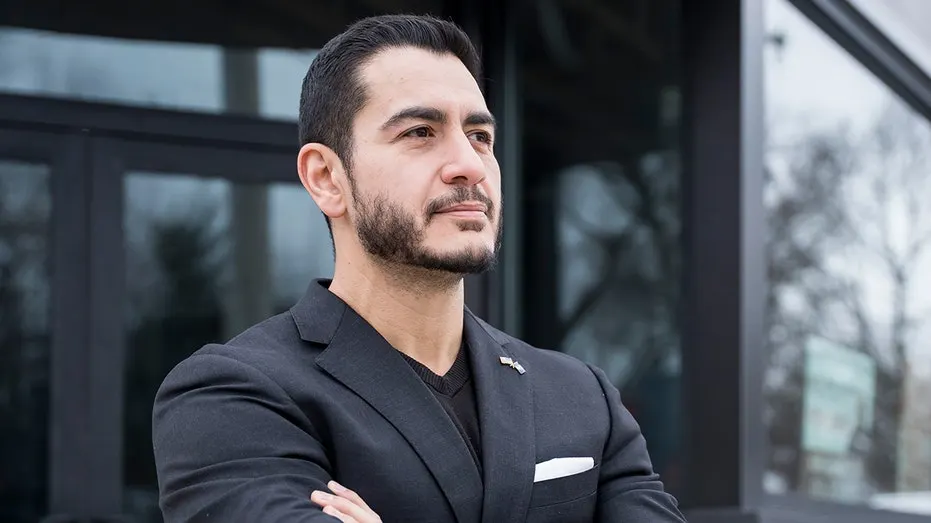
Fox News opinion columnist Jonathan Turley criticises Michigan Democratic Senate candidate Dr Abdul El-Sayed for reaffirming his support for a wealth tax during an interview with Jesse Watters. Turley argues the policy, which El-Sayed says would apply to those with over $100 million in wealth, is unconstitutional at federal level and would be economically damaging if applied in Michigan, deterring businesses and jobs from the state.
El-Sayed, who has proposed the tax partly to fund programmes such as Medicare-for-All, reparations and road repairs, suggested a 7% annual levy on wealth above $100 million, which he argued the very rich would barely notice. Turley contends El-Sayed conflates wealth and income taxes and warns that, as with other Democrats such as Ro Khanna, the $100 million threshold would likely be lowered over time to capture more taxpayers. He notes El-Sayed and his wife reported income of $686,069 in 2025 and so would not themselves be liable under the proposed tax.
- Turley criticises Michigan candidate El-Sayed's wealth tax proposal
- El-Sayed proposes 7% tax on wealth over $100 million
- Turley warns policy could harm Michigan's economy and businesses
New here? Start with this
A wealth tax is a charge on what someone owns, such as shares, property and other assets, rather than on the income they receive each year. It differs from an income tax, and working out the value of a person’s wealth can be complicated.
Abdul El-Sayed is a doctor and Democratic candidate for the US Senate in Michigan. He has proposed an annual 7% tax on wealth above $100 million to help pay for programmes including health care and road repairs; Jonathan Turley is a Fox News opinion columnist who argues the plan would harm the state’s economy.
The proposal raises questions about how wealth taxes would work and whether they could be imposed under US law. Supporters see them as a way to raise money from the very wealthy, while critics warn they could prompt people or businesses to move elsewhere.
Both sides, in good faith
The strongest fair case each way — we don't pick a winner.
The case for
Supporters of El-Sayed's wealth tax argue that extreme wealth concentration demands progressive taxation to fund essential public services like healthcare and infrastructure repair. They contend that a 7% levy on assets exceeding $100 million would scarcely burden the ultra-wealthy whilst raising substantial funds for programmes that benefit society broadly, and that such measures represent a justified response to growing inequality.
The case against
Critics like Turley raise legitimate concerns about constitutional authority and practical implementation. They argue that wealth taxes risk driving capital and businesses out of Michigan, potentially reducing tax revenue and employment, whilst administrative challenges in valuing assets make collection difficult. They also worry that historical precedent suggests thresholds tend to gradually broaden over time, eventually reaching ordinary savers and retirees.