World news and discussion on TalkFuse.
Joo Chiat vs Haji Lane: What makes a shopping neighbourhood work for retailers?
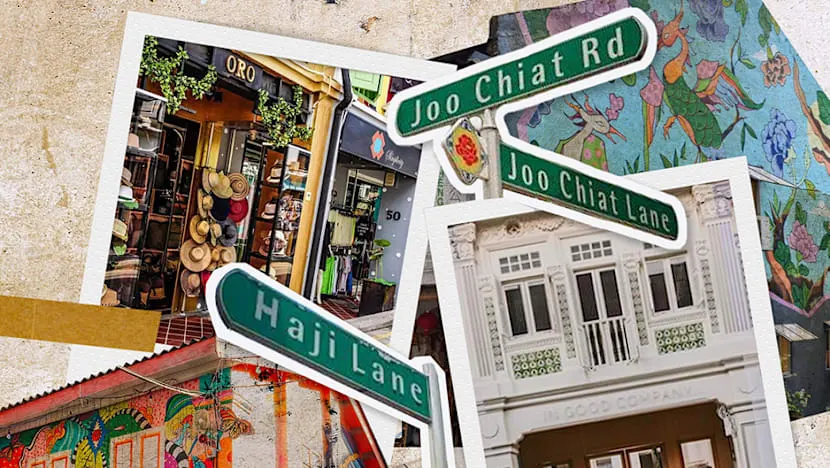
Singapore’s Joo Chiat and Haji Lane offer independent retailers distinctive settings and a mix of shops and food businesses, but neither popularity nor foot traffic guarantees a sustainable store. Joo Chiat is developing as a place where visitors linger and explore, while Haji Lane’s tourist crowds have brought more food concepts and photobooths alongside fashion and vintage shops.
Home and lifestyle brand Sojao opened its 1,400 sq ft Joo Chiat flagship in November 2021, drawn by the area’s residential character and lower costs than malls; its second outlet opened at New Bahru in June 2024. Customers include local residents, people making a special trip and tourists, and the physical shop lets them experience products such as organic cotton bedding in person. In Good Company’s three-storey, 3,000 sq ft flagship combines fashion with hospitality and design, reflecting a strategy of making the store part of the neighbourhood’s broader experience.
In short
- Joo Chiat retailers are building places to linger.
- Haji Lane’s tourist crowds are reshaping its retail mix.
- Foot traffic alone cannot ensure a shop’s success.
Steelman: both sides, in good faith
The strongest fair case each way — we don't pick a winner.
The case for
A distinctive neighbourhood can give independent retailers a sense of place, lower occupancy costs than a mall and room to create an experience that helps customers connect with their products. Residential character may support repeat local visits, while a mix of shops and food businesses can encourage visitors to linger and explore.
The case against
A neighbourhood’s appeal and visitor numbers do not necessarily translate into reliable sales or a sustainable business. Tourist-heavy foot traffic may favour transient concepts, while the costs of a large, experience-led shop can be hard to justify if visitors browse without buying or local demand is limited.