Politics news and discussion on TalkFuse.
Josh Shapiro on foreign policy, Democratic wins and his 2028 ambitions
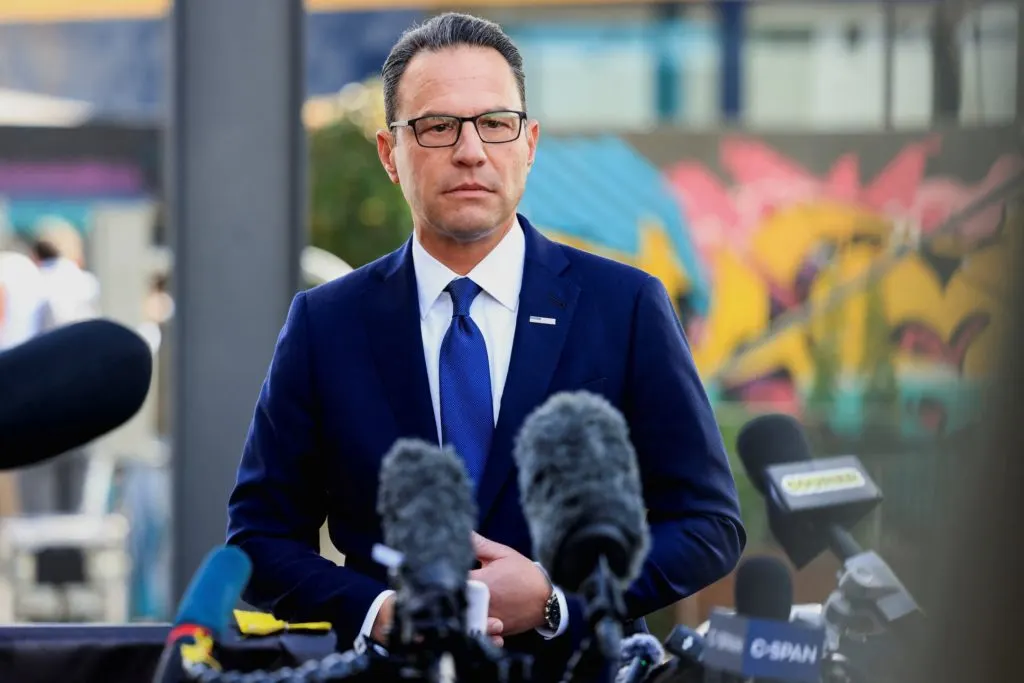
Pennsylvania Governor Josh Shapiro argued that global events affect state security, prosperity and investment, and called for a more effective US role abroad. In an interview after a foreign policy speech at the University of Pennsylvania, he criticised the president’s handling of a meeting with Chinese and Russian leaders, saying it lacked substance and made the US look weak.
Shapiro also urged Democrats to use their new congressional majorities to press for an end to the war in Iran and the reopening of the Strait of Hormuz. He pointed to a war powers resolution and control over government spending as tools they could use, while acknowledging that Democrats do not have a veto-proof majority. The interview also touched on his recent re-election and speculation about his 2028 ambitions.
In short
- Shapiro says global stability affects Pennsylvania’s security and prosperity.
- He criticised the president’s meeting with Chinese and Russian leaders.
- He wants Democrats to use congressional powers to end the Iran war.
Steelman: both sides, in good faith
The strongest fair case each way — we don't pick a winner.
The case for
Shapiro’s case is that foreign policy has direct consequences for Pennsylvania’s security, jobs and investment, so state leaders have reason to scrutinise how Washington handles international crises. He argues that Democrats should use their congressional powers to press for an end to the Iran war and the reopening of the Strait of Hormuz, while a more substantive US role abroad could protect American interests and credibility.
The case against
A cautious counterargument is that state leaders’ influence on foreign policy is limited, and public criticism of presidential diplomacy may undermine the room needed for negotiations without offering a workable alternative. Congress can use war powers and spending decisions to exert pressure, but doing so without a veto-proof majority may create political conflict or constrain US options without securing an end to the war or reopening the strait.