Ithaca council pauses Cornell group events amid due process dispute
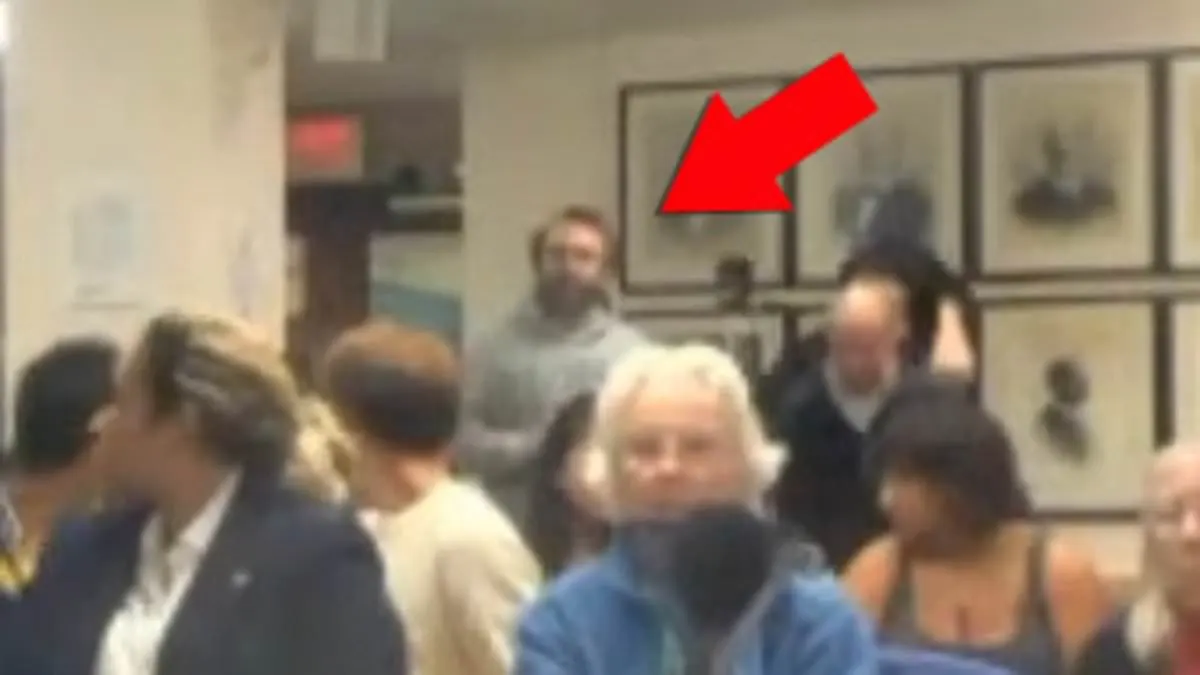
Journalist Michael Tracey shouted at Ithaca Common Council members during a public meeting, arguing they had prejudged seven Cornell students accused in a civil lawsuit and denied them due process. The council was considering a temporary halt to Greek life events after criticism of Cornell’s handling of the allegations.
The council voted 9-1 to pause event permits for Cornell and student groups until 5 November, and added a requirement for the university to hand investigations into sex and violent crimes to Ithaca police, without specifying how that would be enforced. The allegations concern an incident at the Chi Phi fraternity house in 2024; prosecutors previously said there was insufficient evidence to bring criminal sexual assault charges, and the seven men deny the claims. New York Attorney General Letitia James has opened an active criminal investigation, while Cornell has appointed former US official Sally Yates to review its response.
- Michael Tracey challenged Ithaca councillors over due process.
- The council paused Greek life event permits until 5 November.
- State and university investigations into the allegations are under way.
New here? Start with this
Seven Cornell University students face allegations in a civil lawsuit following a 2024 incident at Chi Phi fraternity. Prosecutors previously determined there was insufficient evidence for criminal charges, and the men deny the claims. The matter has since generated debate about how the university should respond.
Ithaca's local government has become involved in discussions about how the university is handling the allegations. Officials are considering how investigations should be conducted and whether local police should have a greater role. This raises questions about balancing institutional accountability with the rights of those accused.
State authorities have also opened investigations. New York's Attorney General is conducting a criminal inquiry, and Cornell has appointed an independent official to review its response. The case reflects wider national questions about how universities should address serious allegations whilst protecting due process.
Both sides, in good faith
The strongest fair case each way — we don't pick a winner.
The case for
The council's action reflects legitimate community concerns about the university's institutional response to serious allegations. By pausing permits and requiring local police involvement in investigations, the council aims to ensure rigorous, impartial accountability for sexual assault and violent crime allegations. This temporary measure protects community interests whilst independent investigations through the Attorney General and Sally Yates review proceed fairly.
The case against
The individuals accused have not been criminally charged due to insufficient evidence, and they deny the allegations. The council's permit suspension effectively penalises people based on unproven claims, undermining due process and presumption of innocence. Such administrative punishment interferes with university autonomy and sets a concerning precedent for sanction through permit restrictions when legal mechanisms—the civil lawsuit and ongoing official investigations—are already operating.
Read the full article at the source →
Originally published by Daily Mail as “Journalist filmed lashing out at Cornell city council during fiery meeting and shouts that they’ve failed to afford gang rape accused any due process”.