World news and discussion on TalkFuse.
Journalists Could Be Forced to Out Their Sources Unless the Supreme Court Steps In
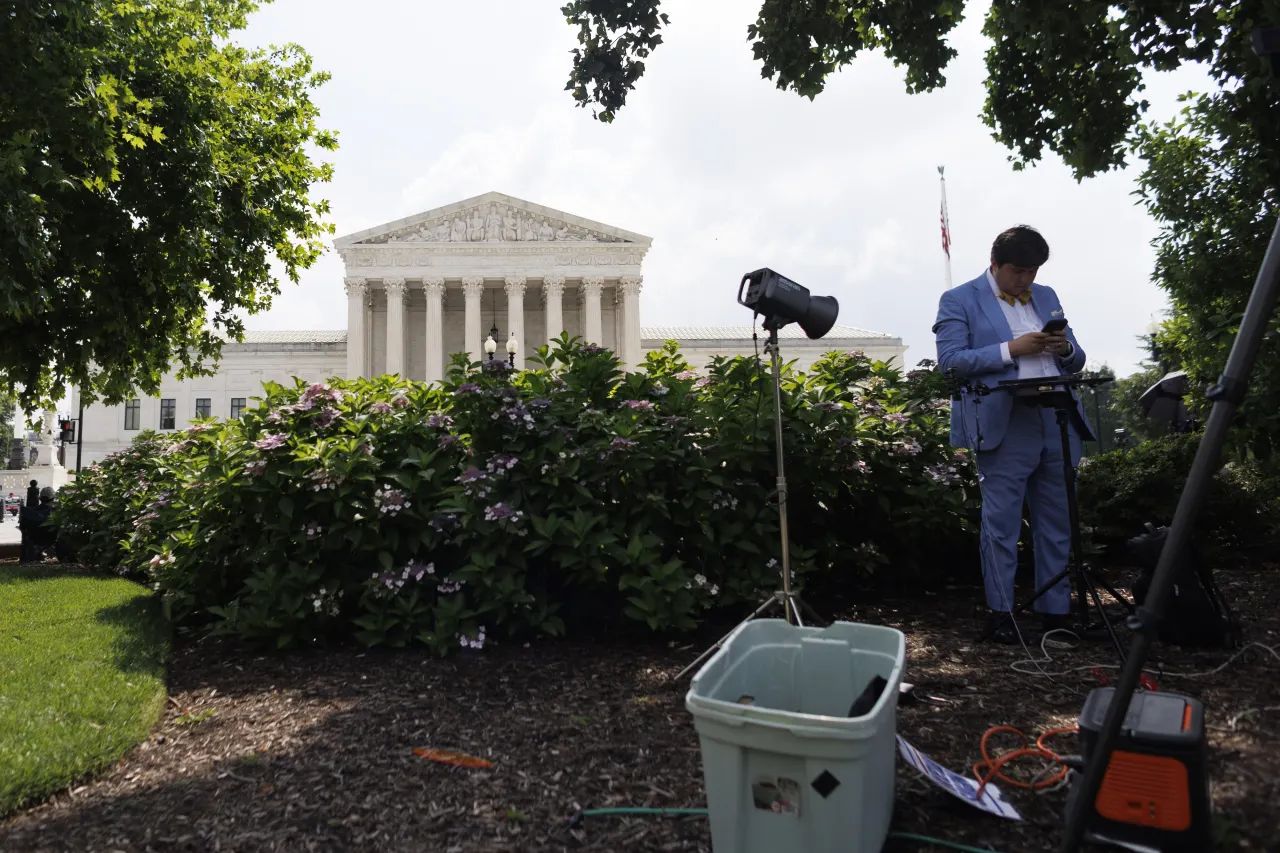
In an opinion piece, Seth Stern of the Freedom of the Press Foundation urges the US Supreme Court to hear a case in which medical scientist Yanping Chen seeks to force journalist Catherine Herridge to reveal her confidential FBI sources. Chen has sued the FBI and Justice Department under the federal Privacy Act and wants the sources to help her case, although she was never charged with any wrongdoing. Stern argues that if the court declines to intervene, civil litigants could routinely compel reporters to identify their sources, which he says could seriously harm investigative journalism.
The dispute stems from a 2017 Fox News story about an FBI investigation into whether Chen concealed past service in the Chinese military while serving as president of the University of Management and Technology, an online school in Arlington, Virginia. Chen subpoenaed Herridge in 2022, and after she refused to name her sources, a judge fined her $800 a day for contempt. In August, a judge stayed the fines pending her Supreme Court petition and refunded the $14,400 she had already paid, but the fines would resume if the court declines the case, and harsher penalties, including imprisonment, are possible. Stern notes that criminal subpoenas of journalists face safeguards such as Justice Department rules and attorney general sign-off, which do not apply to private civil litigants.
In short
- Scientist seeks journalist's confidential FBI sources in civil lawsuit.
- Journalist Catherine Herridge faces daily fines for refusing to name sources.
- Supreme Court's decision on hearing the case could come next month.
Steelman: both sides, in good faith
The strongest fair case each way — we don't pick a winner.
The case for
Chen's advocates argue that a litigant who has been harmed, and who has sued under a federal statute, should be able to obtain relevant evidence from anyone with information about the matter, including journalists. They contend that the Privacy Act exists to give individuals real redress against government agencies, and that a rule shielding reporters' sources from civil discovery could let officials leak damaging claims without accountability. On this view, the courts already weigh the public interest through case-by-case balancing, and no journalist should be placed above the ordinary duty to testify.
The case against
Those who defend Herridge and the wider press argue that confidential sources are essential to exposing government wrongdoing, and that sources often speak only on the promise of anonymity. They warn that if private civil litigants could routinely compel reporters to identify sources, whistleblowers would be deterred and important stories would go untold, a harm that falls on the public as well as the journalist. They point out that criminal subpoenas already face Justice Department safeguards that civil plaintiffs do not, and they argue that the Supreme Court is the right body to set a clear, nationwide limit before that gap erodes the protections journalists rely on.