Judge Denies Bad Bunny Nearly $500,000 in Legal Fees in Un Verano Sin Ti Sample Case
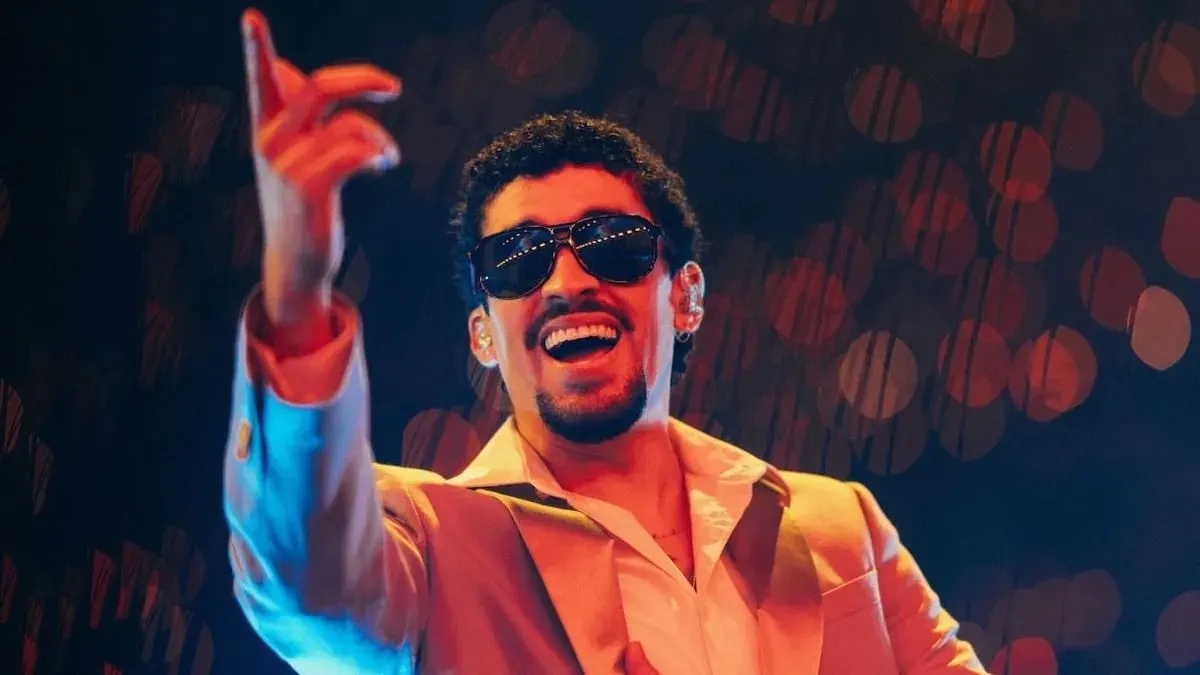
A US federal judge has rejected Bad Bunny's bid to recover $465,612 in legal fees after he successfully defeated a copyright lawsuit over a sample used on his 2022 album, Un Verano Sin Ti. Although the case against him was dismissed, District Judge Otis D. Wright II ruled that the original claim brought by Empawa Africa had been "objectively reasonable" and dismissed Bad Bunny's argument that the company had pursued the case with improper motives. The decision matters because it shows courts remain cautious about penalising rights holders who bring genuine copyright disputes, even when those cases ultimately fail on procedural grounds.
The dispute concerned "Enséñame a Bailar," which samples "Empty My Pocket," a 2019 track by Nigerian artist Dera. Bad Bunny's team argued the sample had been properly licensed via production company Lakizo Entertainment, and the case was dismissed earlier this year after Empawa and Dera missed court deadlines. His lawyers then sought reimbursement, calling the lawsuit "meritless" and accusing Empawa of chasing an "undeserved, multimillion-dollar settlement," but Judge Wright noted Bad Bunny's team had not shown Empawa documentation proving permission to use the sample, warning that awarding fees "would send the wrong message to parties seeking to protect their intellectual property."
- Judge denies Bad Bunny's $465,612 legal fees claim in sample lawsuit
- Dispute involved a sample on "Enséñame a Bailar" from Un Verano Sin Ti
- Judge ruled the original copyright case had been objectively reasonable
New here? Start with this
Copyright disputes can arise when a song includes part of another recording, known as a sample. Bad Bunny’s 2022 album Un Verano Sin Ti includes “Enséñame a Bailar”, which uses a sample from “Empty My Pocket”, a 2019 track by Nigerian artist Dera.
Bad Bunny’s team said the sample had been licensed through production company Lakizo Entertainment. Empawa Africa, which brought the case alongside Dera, challenged its use; the lawsuit was later dismissed after they missed court deadlines. The dispute concerns who had authority to grant permission and what evidence can establish that a sample was licensed.
The case matters to musicians, producers and rights holders because licensing disputes can affect how recorded music is made and used. Courts may also consider whether a copyright claim was reasonable when deciding if the other side should pay legal costs, even if the claim does not succeed.
Both sides, in good faith
The strongest fair case each way — we don't pick a winner.
The case for
Bad Bunny's team argue that anyone forced to spend nearly half a million dollars defending against a claim that ultimately collapsed for lack of evidence deserves to be made whole, particularly given their contention that Empawa was chasing an outsized settlement rather than a genuine licensing grievance. From this view, refusing fee awards in such cases removes a key deterrent against speculative copyright litigation, leaving artists and producers to absorb crippling legal costs even when they have done nothing wrong and the licensing paperwork, through Lakizo Entertainment, was in order. Awarding fees in clear-cut cases like this, they contend, is precisely what protects working musicians from being used as leverage in opportunistic disputes.
The case against
Judge Wright and those who share his reasoning would argue that copyright law must leave real breathing room for rights holders to test genuine grievances in court without fear that an unsuccessful outcome, especially one decided on a procedural default rather than the substantive merits, will be punished with a large fee award. Because Bad Bunny's side could not produce documentation proving Dera had actually granted permission for the sample, the underlying claim was not frivolous but objectively reasonable, and Empawa's case failing on missed deadlines is a different matter from it being baseless. On this view, routinely making unsuccessful claimants pay defendants' legal costs would chill legitimate IP enforcement, discouraging smaller artists and rights holders, who often have far less litigation capacity than major labels or global stars, from ever bringing sampling disputes at all.