World news and discussion on TalkFuse.
Judge denies motion to dismiss lawsuit accusing Samsung, SK Hynix and Micron of worsening RAM crisis by fixing memory prices and supply
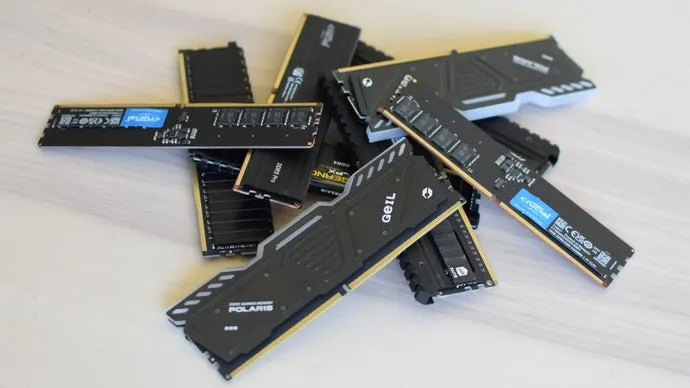
A US judge has allowed a class action lawsuit against Samsung, SK Hynix and Micron to proceed, rejecting the companies’ bid to have it dismissed. The case alleges that they coordinated to limit consumer RAM supply and raise prices, worsening the memory crisis.
Filed in June in the Northern District of California, the suit says the companies shifted production from consumer DDR3 and DDR4 memory towards HBM used in AI data centres. The firms deny collusion and argued the claims repeat an earlier antitrust case; Judge Noël Wise said the alleged conduct went beyond competitors merely watching one another. The ruling is not a finding of wrongdoing, and the case will continue as both sides present evidence. The article says the memory crisis may last until at least 2028.
In short
- Lawsuit over alleged RAM price and supply coordination proceeds.
- Samsung, SK Hynix and Micron deny colluding.
- The ruling makes no final finding, and the crisis may last until 2028.
Steelman: both sides, in good faith
The strongest fair case each way — we don't pick a winner.
The case for
Consumers and the plaintiffs can argue that a small number of dominant memory makers may have coordinated production decisions in ways that restricted consumer RAM supply and raised prices. The shift towards higher-value AI memory could make scrutiny especially important if evidence shows it was used to reinforce a shared strategy rather than reflect independent business choices.
The case against
The companies can argue that moving production towards HBM reflects legitimate responses to strong demand from AI data centres, not an agreement to restrict consumer supply. Similar decisions by competitors do not by themselves prove collusion, and allowing the case to proceed gives the plaintiffs a chance to test their claims rather than establish that wrongdoing occurred.
Explained simply
RAM is short-term memory that computers use to keep information readily available while they run. DDR3 and DDR4 are generations of RAM used in consumer computers, while high-bandwidth memory, or HBM, is designed for demanding workloads such as artificial intelligence.
Samsung, SK Hynix and Micron are major memory makers. The lawsuit alleges they moved production away from consumer RAM towards HBM, reducing supply and pushing up prices; the companies deny working together to do so.
The case is an antitrust lawsuit, which examines whether businesses have unlawfully restricted competition. The judge’s decision allows the claims to be examined in court, but does not establish that the companies did anything wrong.